



Real honey you can trust again
- Raw and unblended
- Traceable to the beekeeper
- Every harvest a little different
 21 reviews on

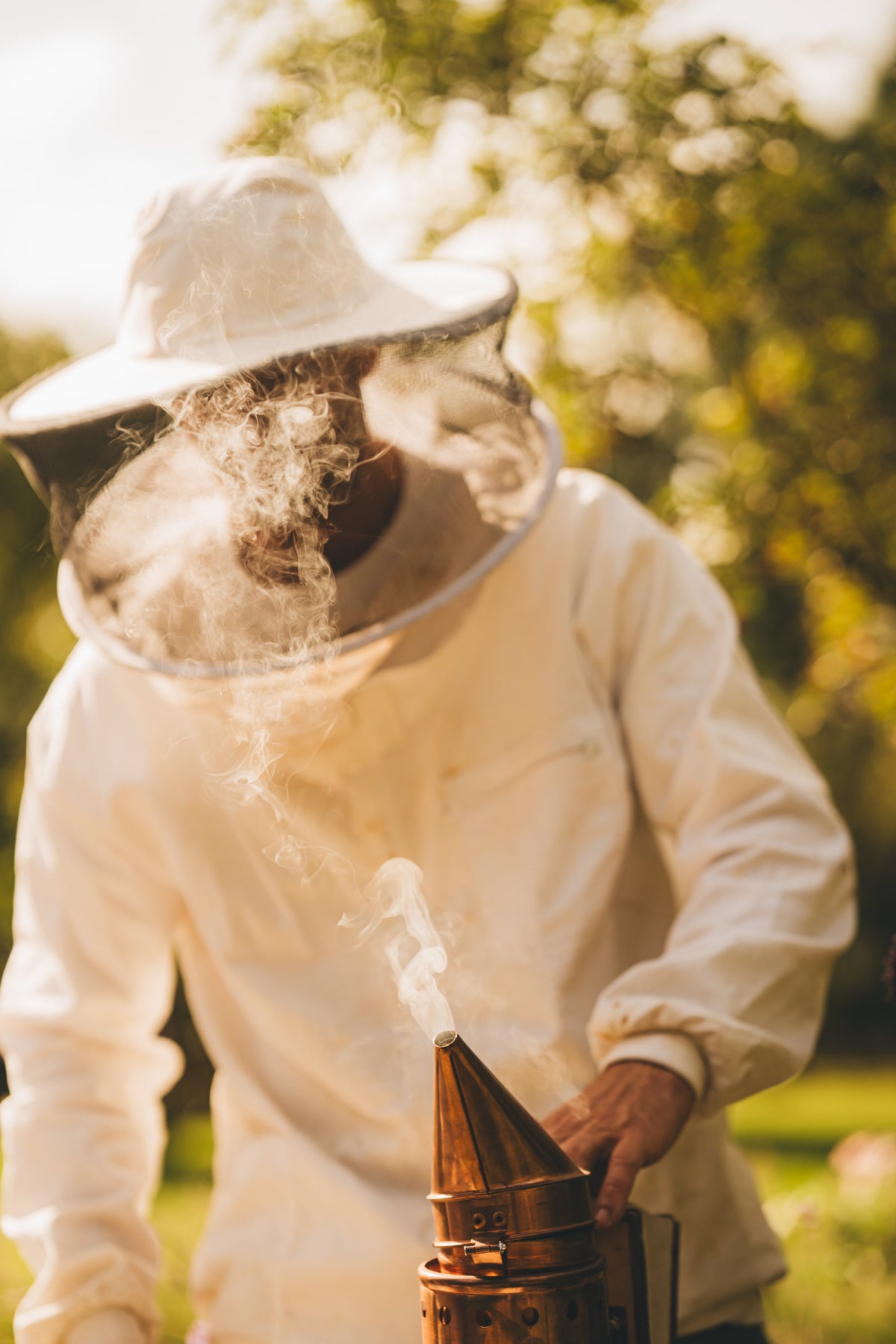
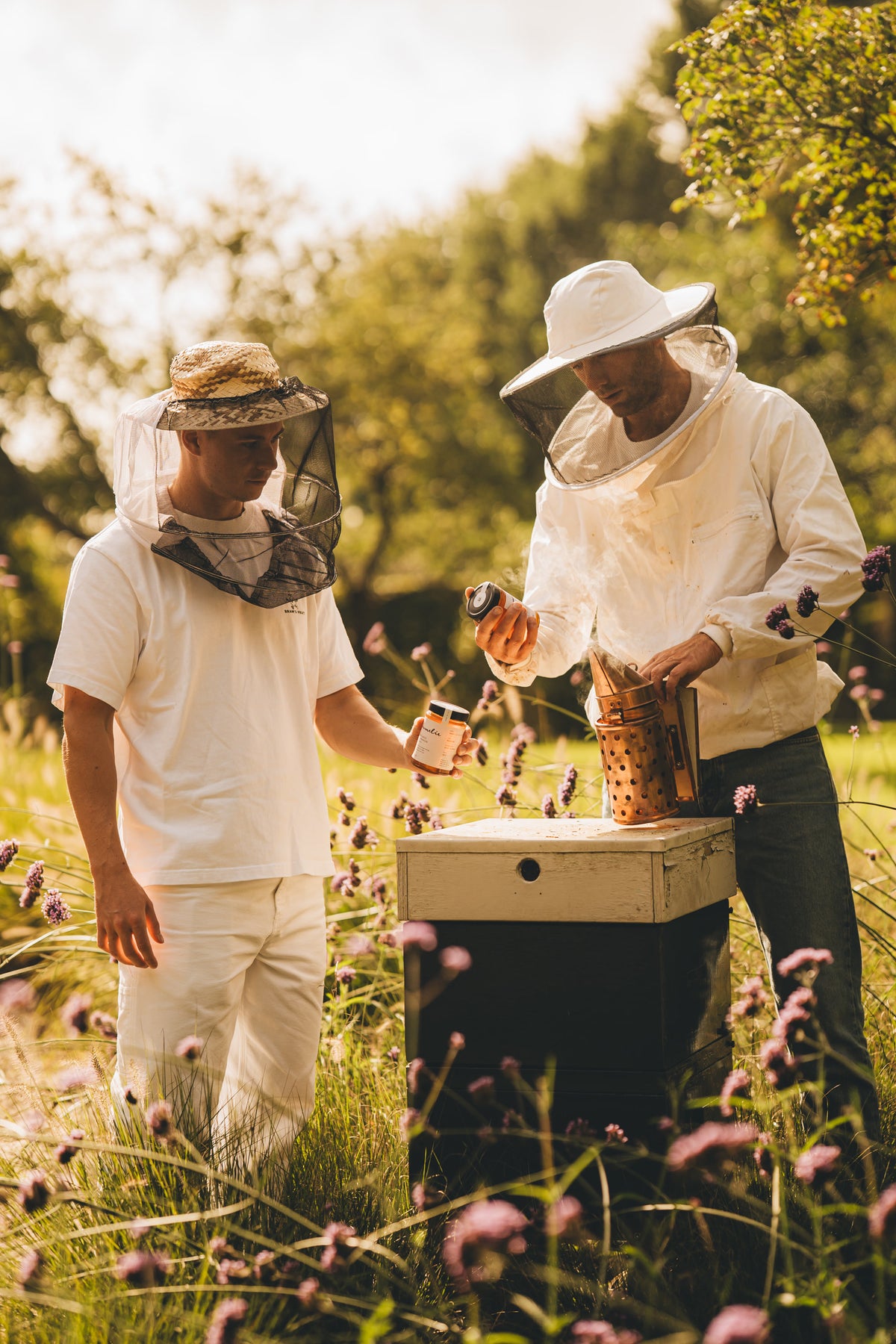
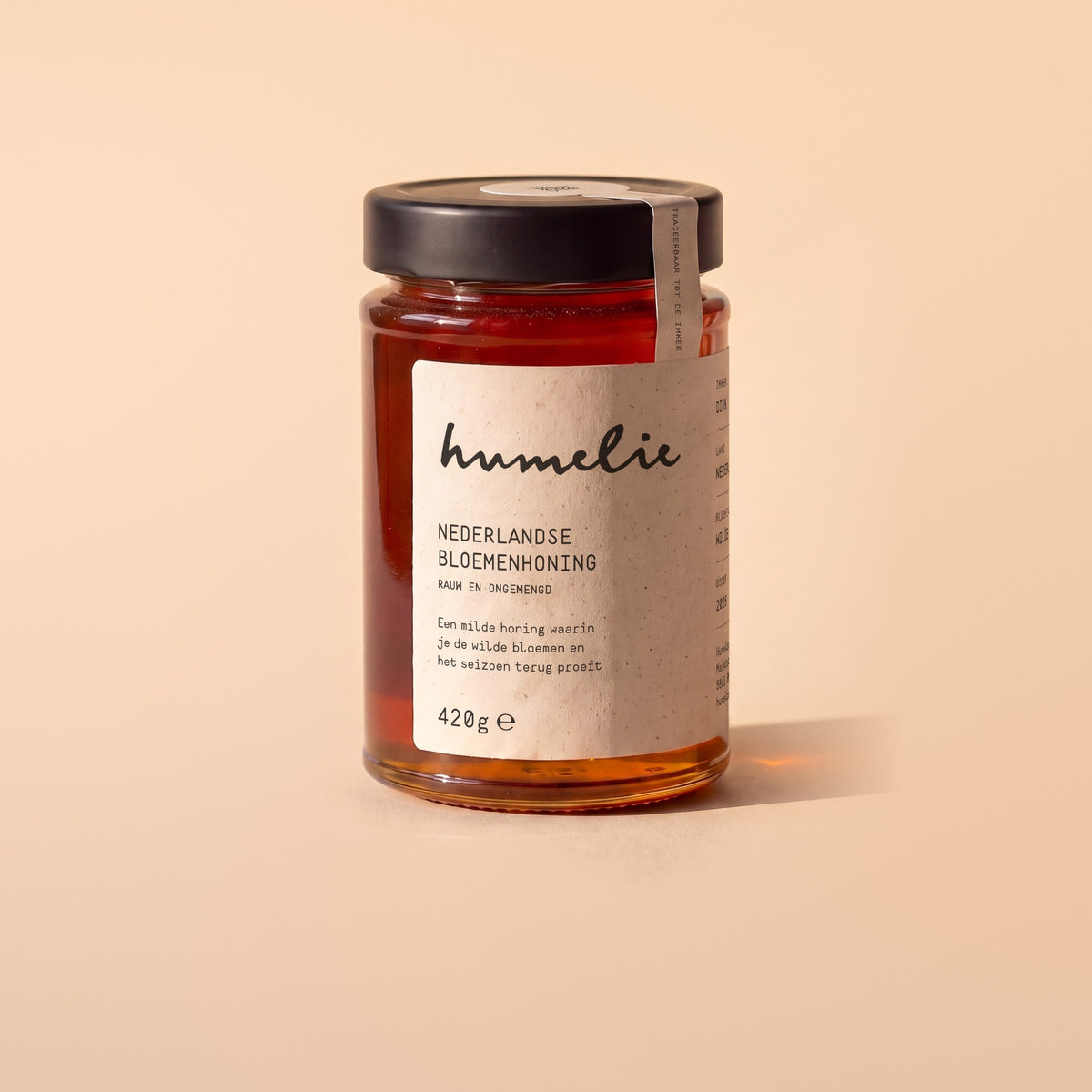
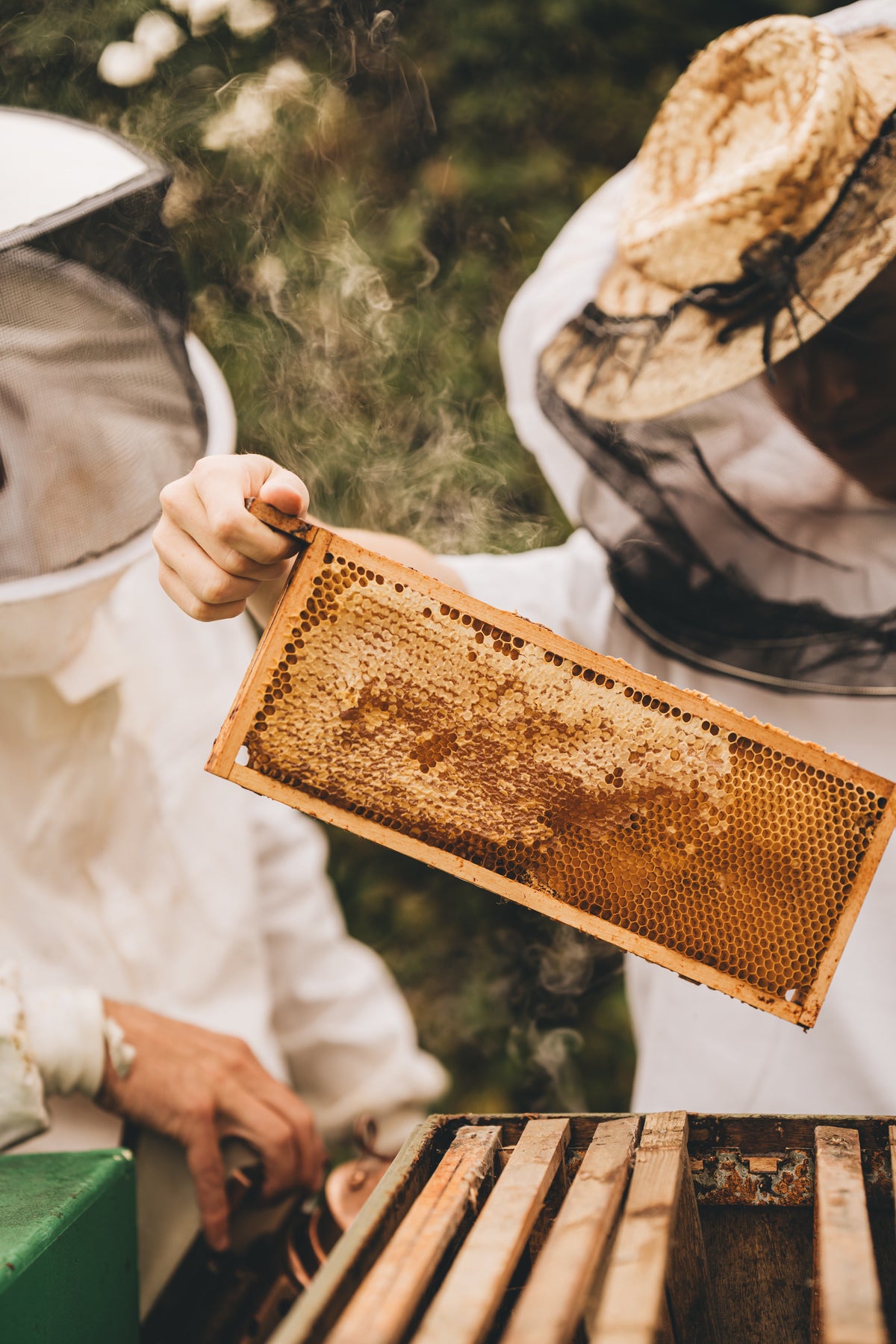
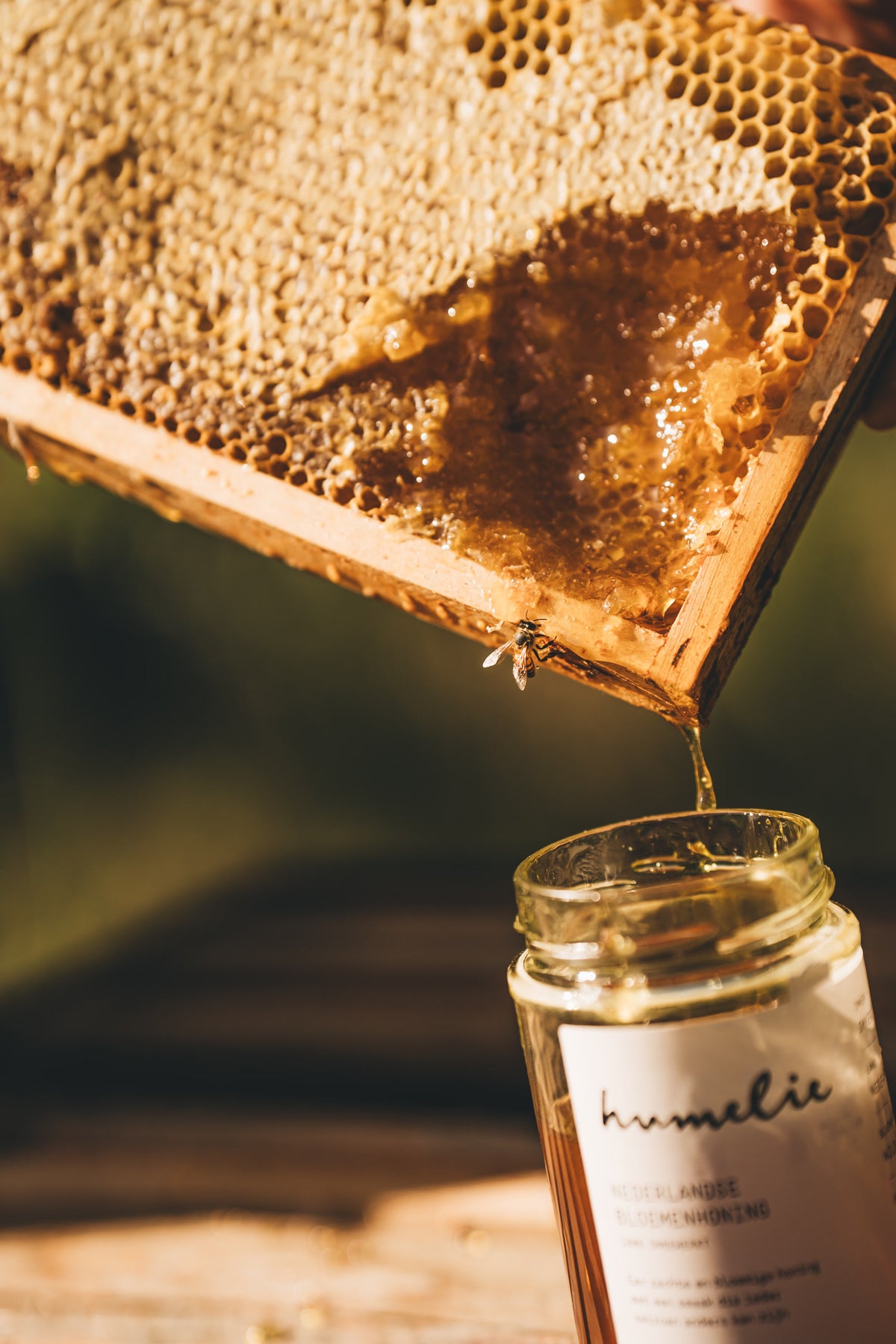
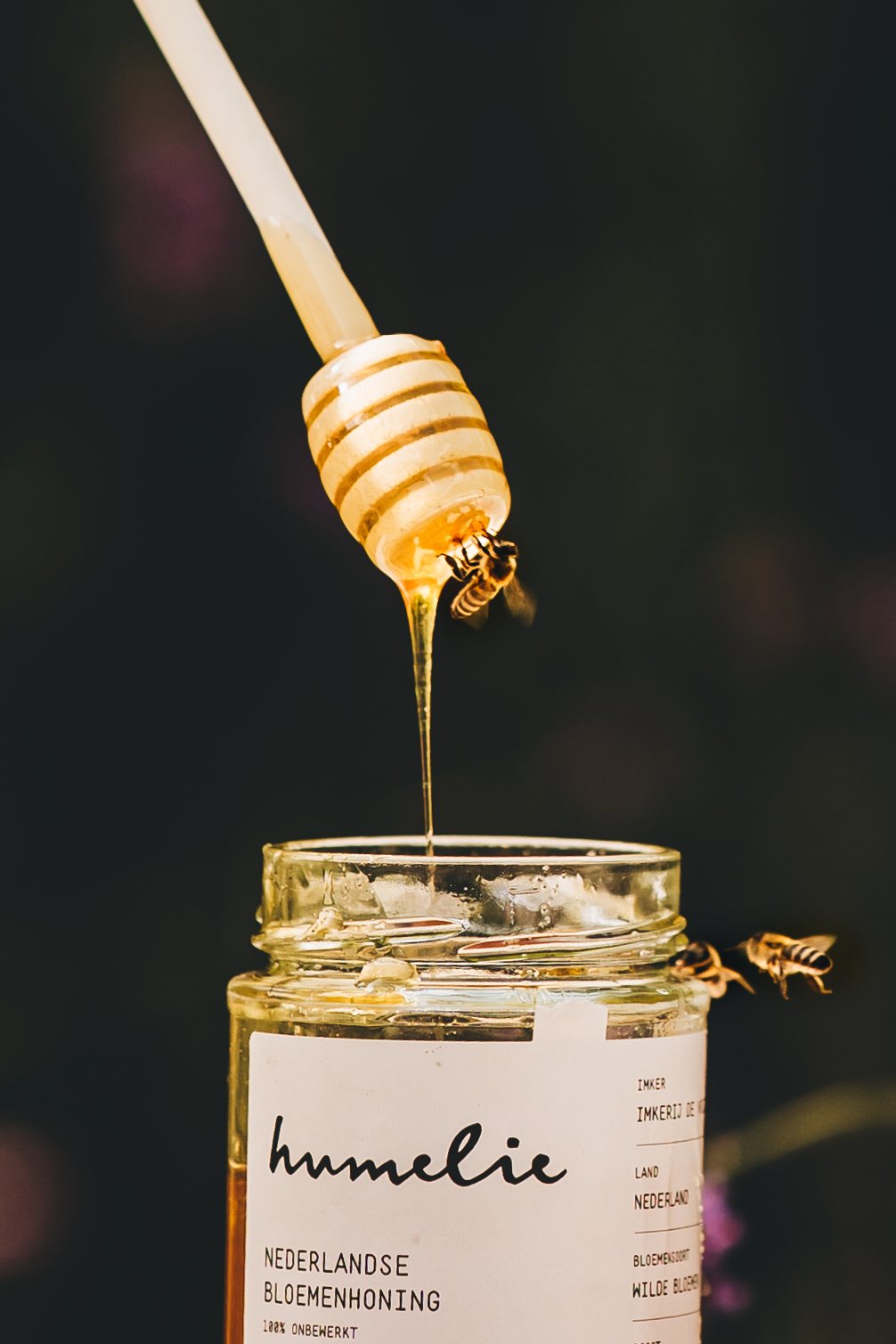
In the supermarket, honey is blended, heated and anonymous. At Humelie every jar is raw, unblended and traceable to the beekeeper. You taste the flower, the region and the season, and you know who it comes from.
Humelie vs. supermarket honey
Supermarket honey has taught us that honey should always taste the same. To get there, it is blended, heated and made anonymous. That removes exactly what makes each honey unique. A shame, because then you pay for honey stripped of everything that makes it special. Real honey should be the standard. Not the alternative.
 |
Supermarket honey | |
|---|---|---|
| Origin | One harvest, from one beekeeper with a name | A blend of honey from several countries |
| Processing | Raw: extracted, coarsely strained and not finely filtered | Often heated so it always stays runny |
| Enzymes | Natural enzymes are kept thanks to the gentle warming | Strong heating destroys most of the natural enzymes |
| Flavour | You taste the flower, the region and the season | Sweet, and not much else |
| On the jar | The beekeeper, the region and the harvest | At most the countries of origin |
Honey with an address
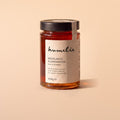
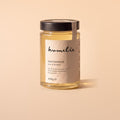
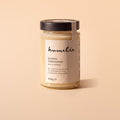
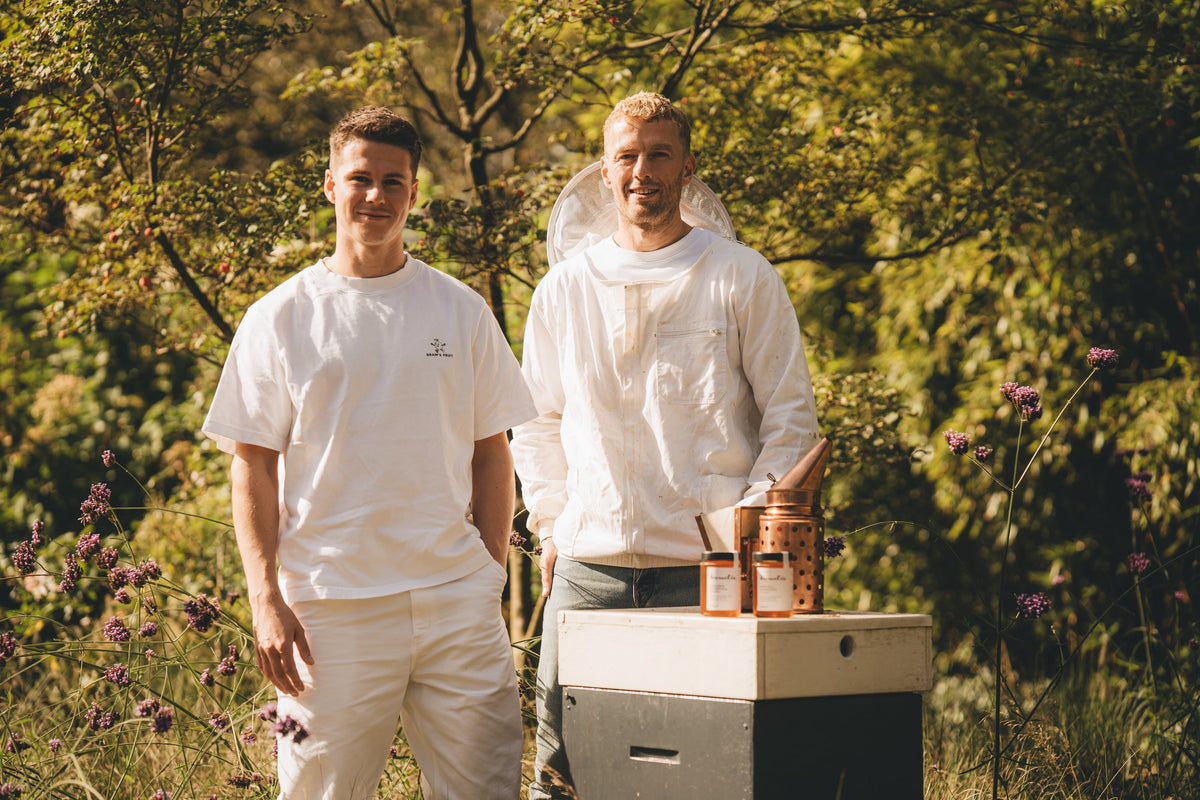
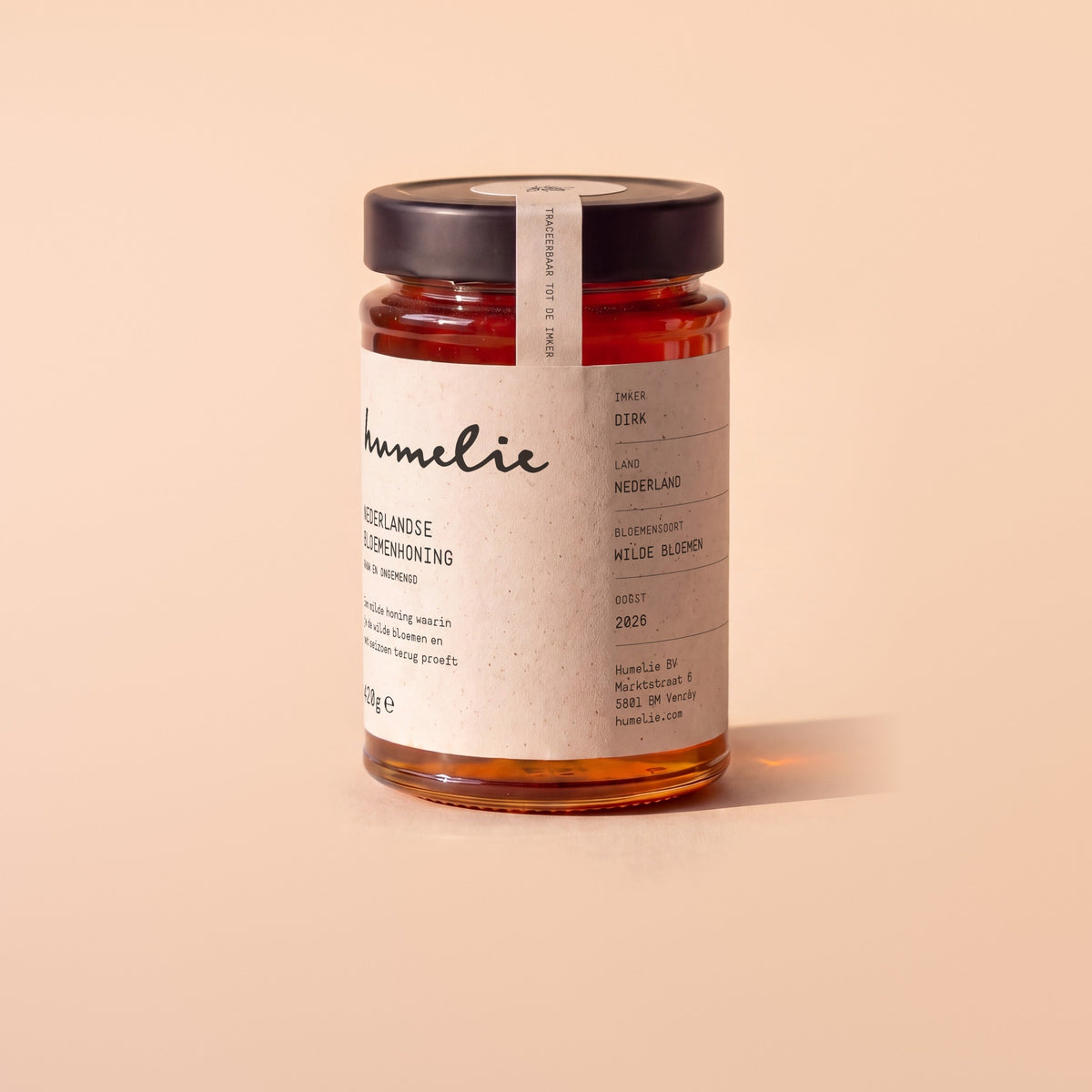
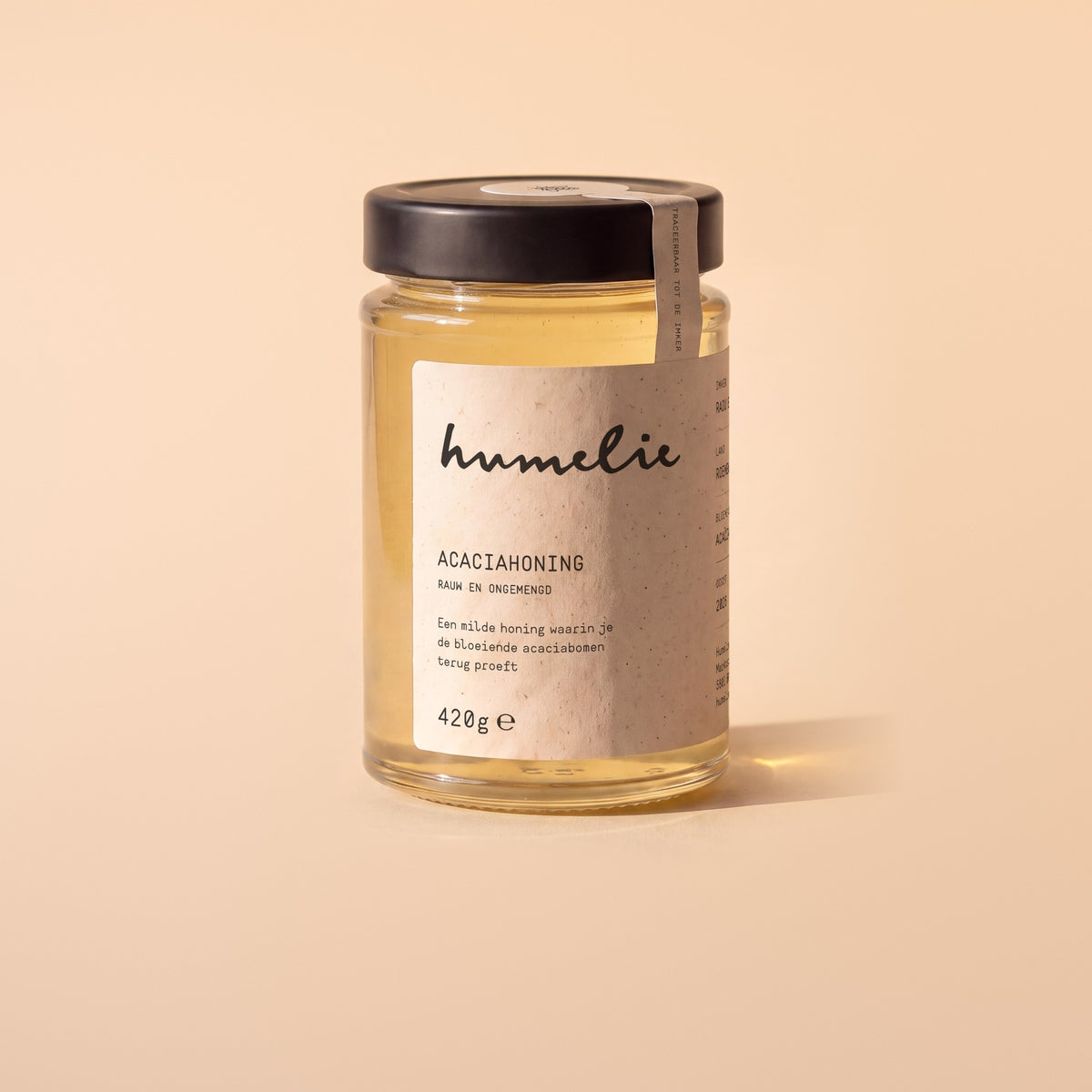
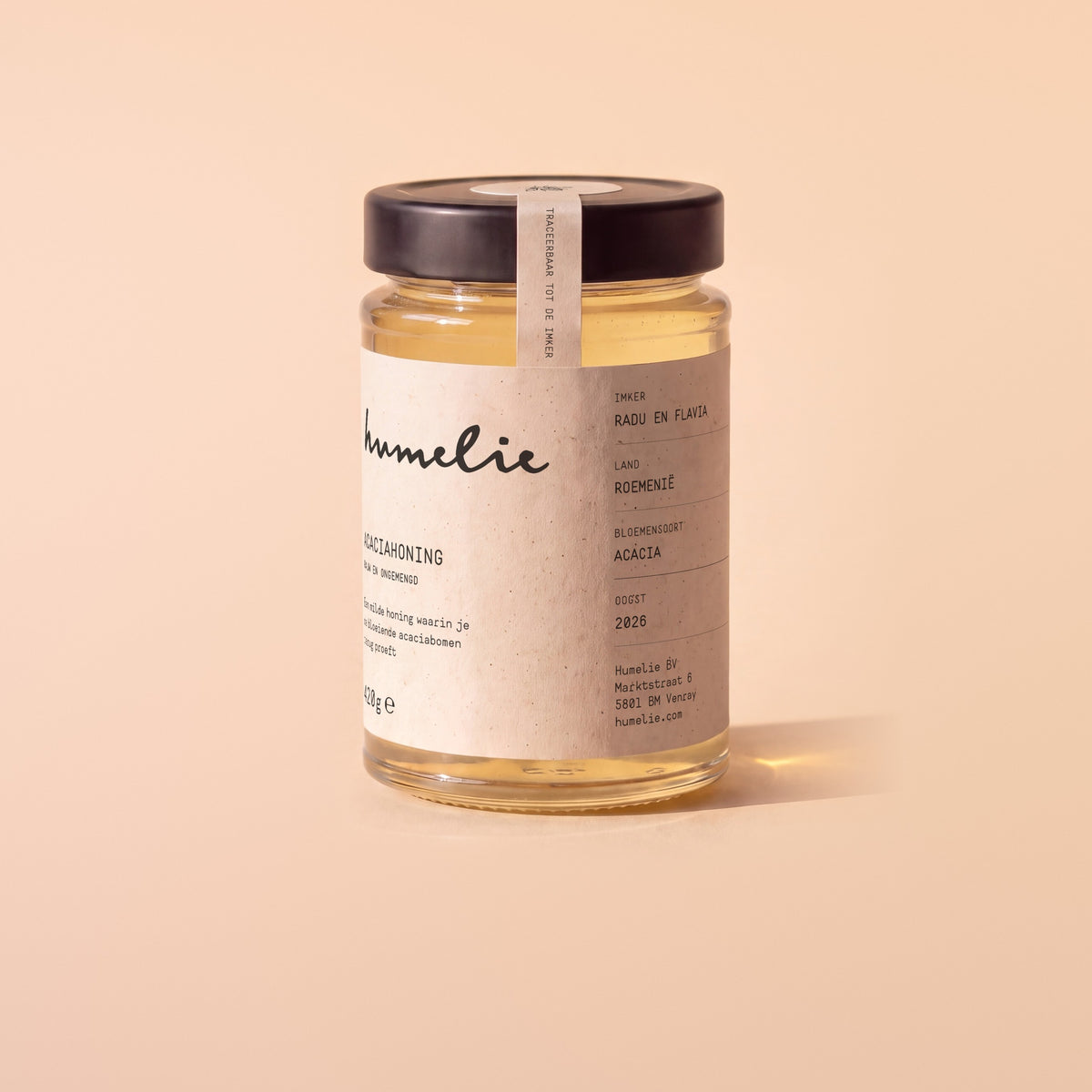
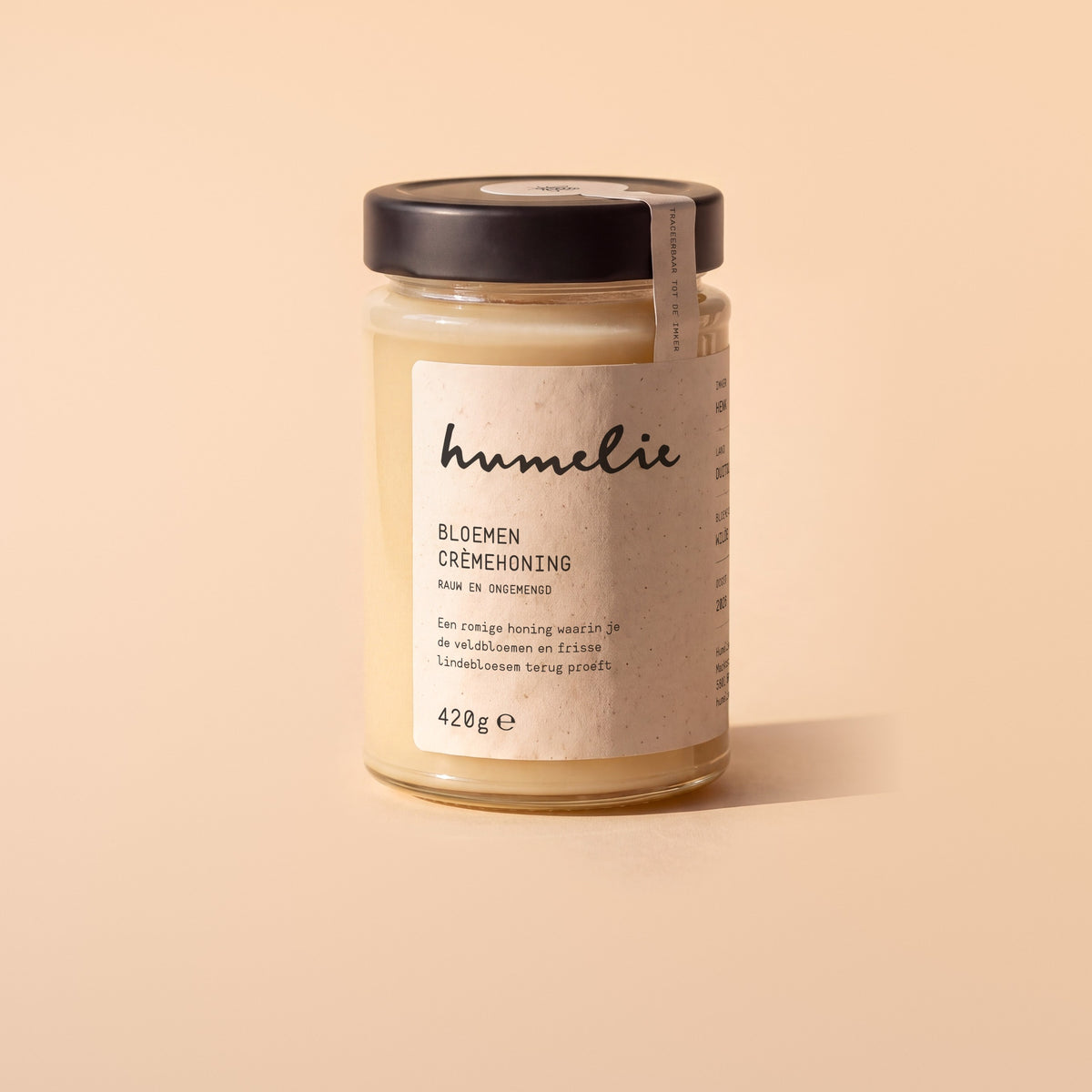
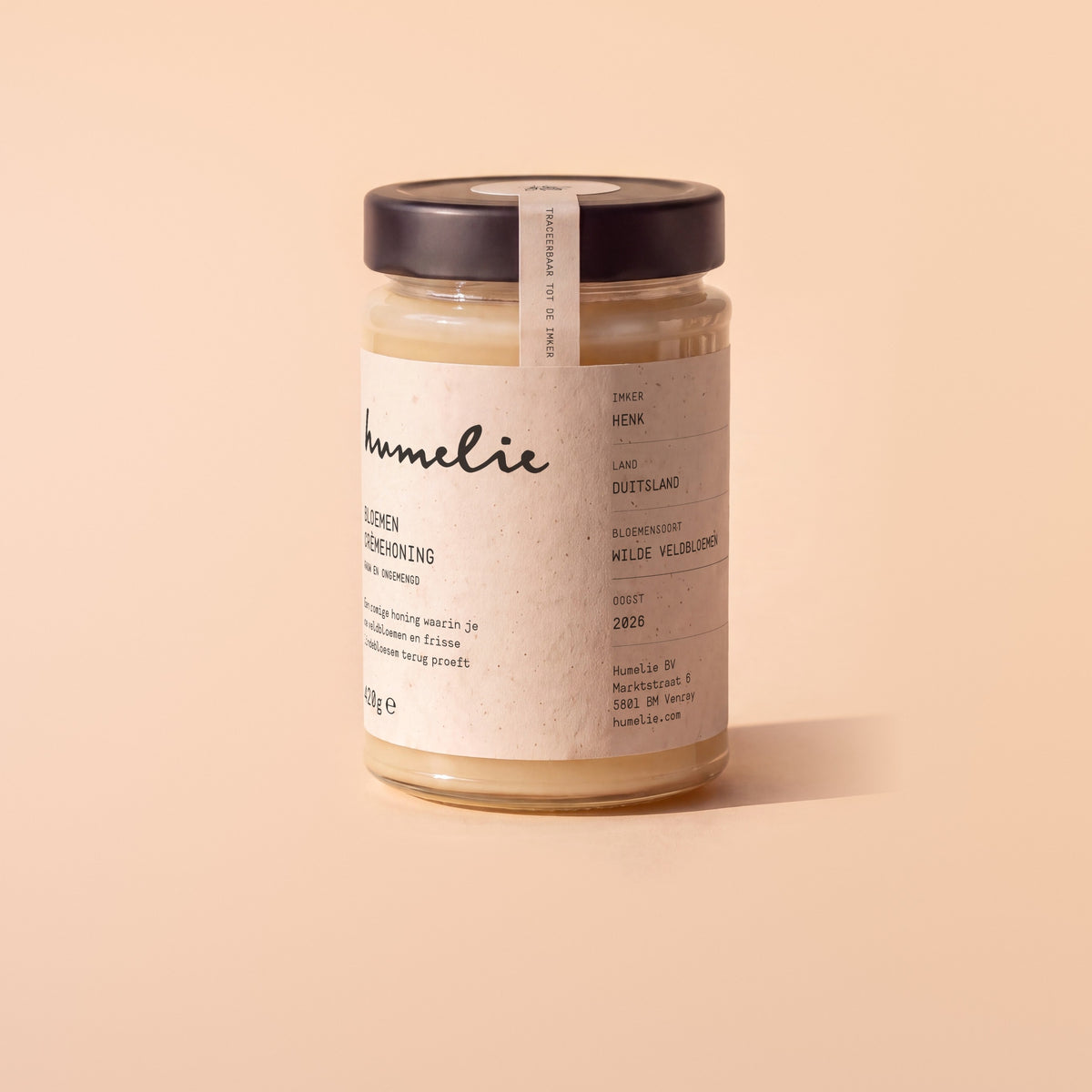
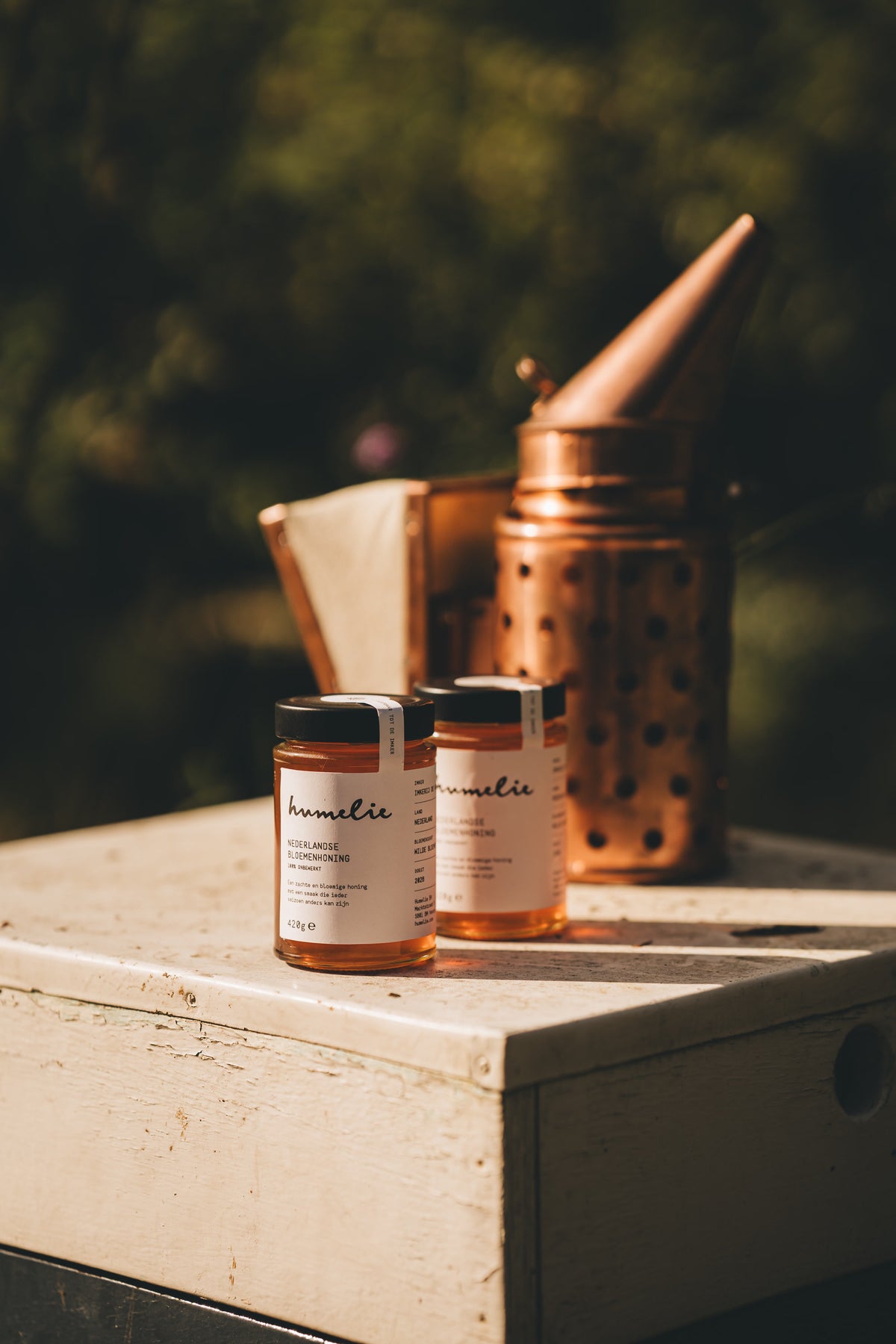
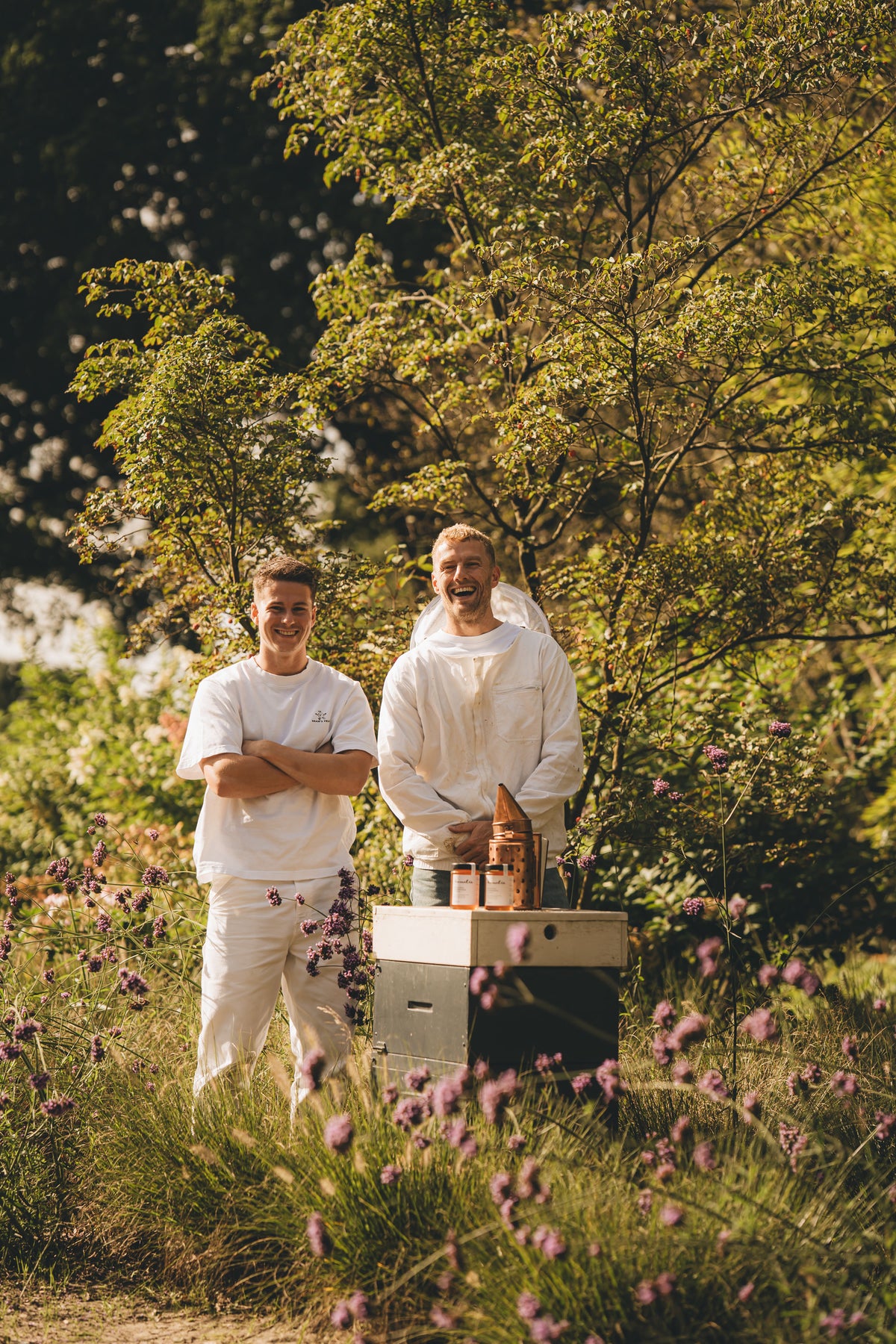
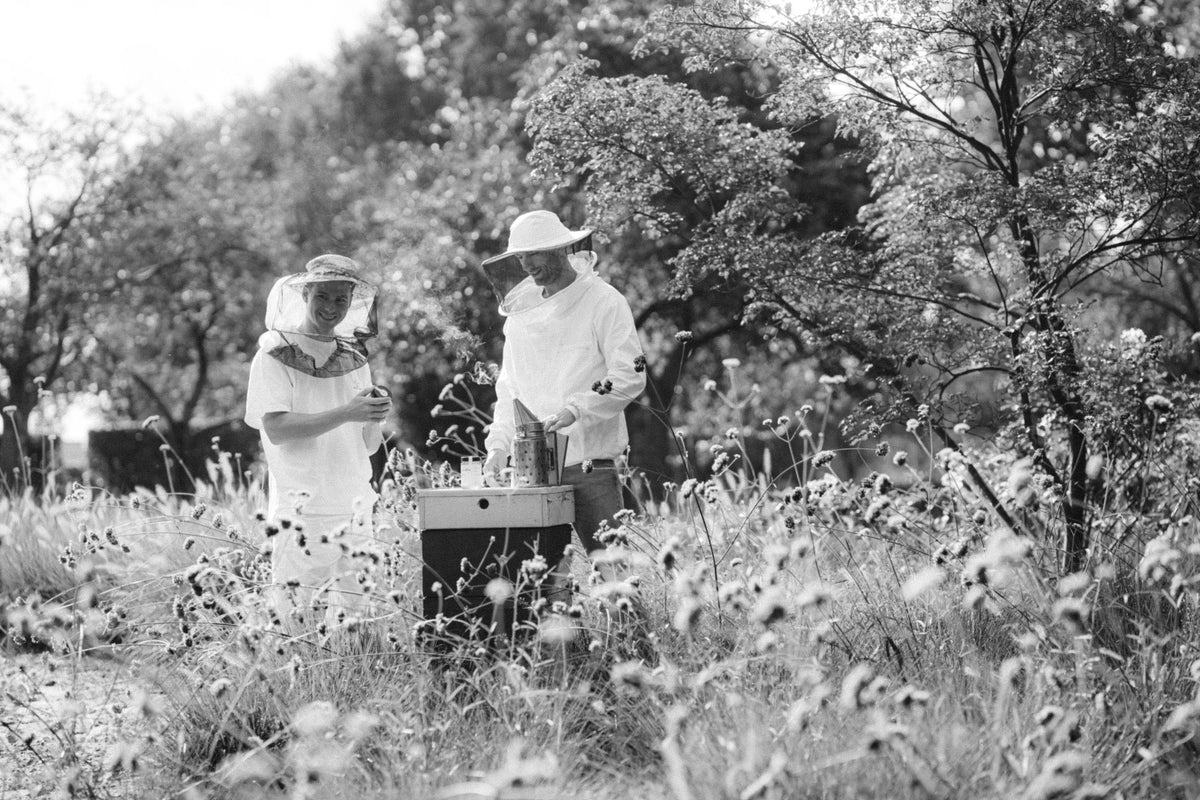
We get it: with something as pure as honey, you want to know what you are buying. We wanted that too. That is why every jar has an address. The wildflower honey comes from Dirk in Groningen, the Acacia honey from Radu and Flavia in Romania and the creamed honey from Henk in Germany. And every batch is lab-tested.

order
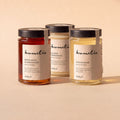
1. Order our Tasting set with three honeys. Next day in the Netherlands, 2 to 4 working days elsewhere.
taste
2. Put them next to your jar from the supermarket and taste the difference. The flower, the region and the season.
choose
3. Choose your favourite and find out exactly where your honey comes from, and who made it.

Project Save The Bees
No flowers, no honey. With our Wild bee seed mix, you sow 5 m² of flowers for wild bees, right in your own garden. That is step 1. Our goal: 1 million m² together.
Want to learn about honey?
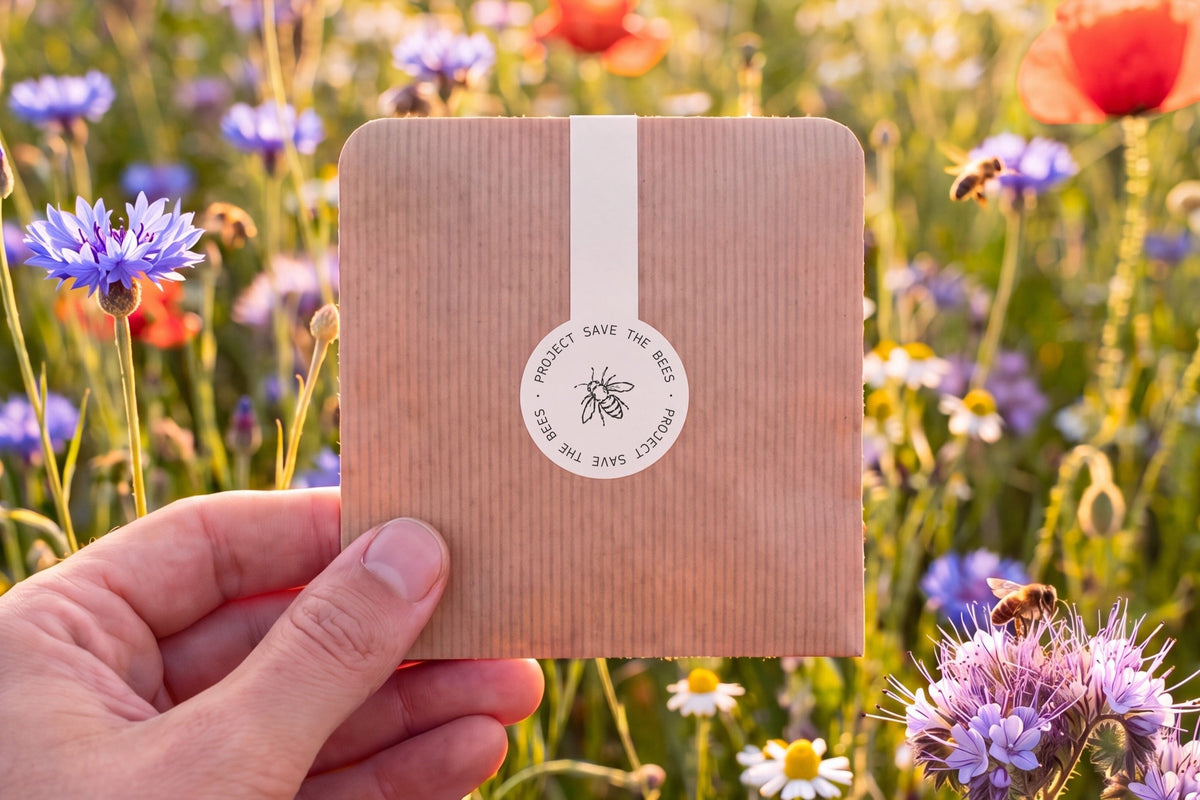
When you think of bees, you soon think of honey. But the Netherlands is home to hundreds of wild bee species. What is the difference, and how can you help them yourself?
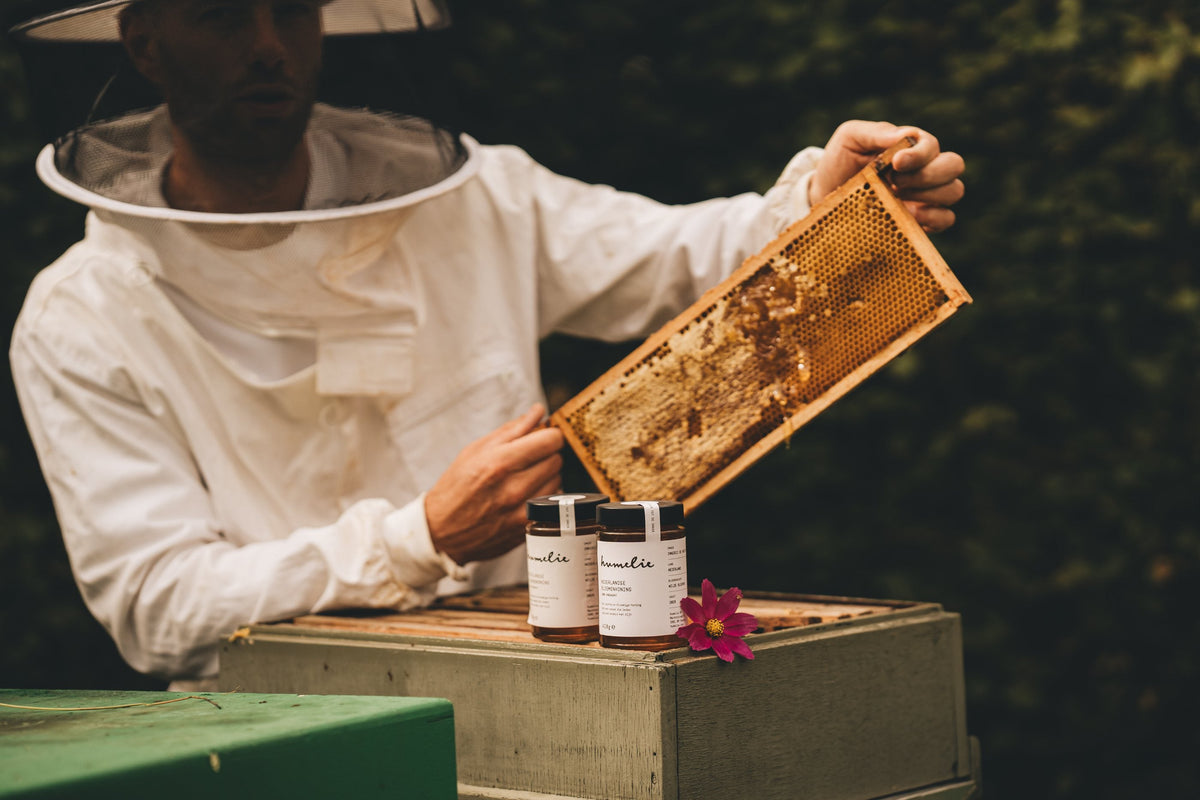
Raw, unprocessed, unblended: what does it really mean? Here is how to read a honey jar and spot honey that stays close to the harvest.
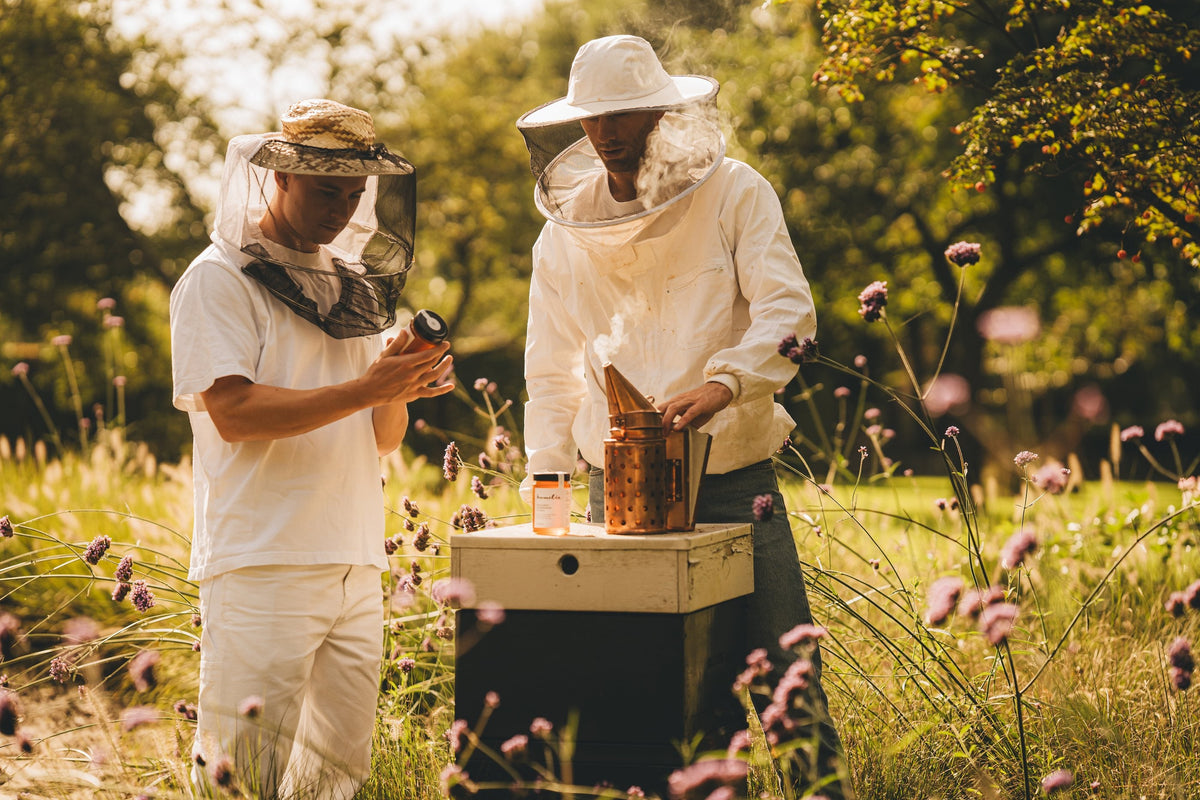
Mild, spreadable or surprising: here is how to choose the honey that fits the way you use it.
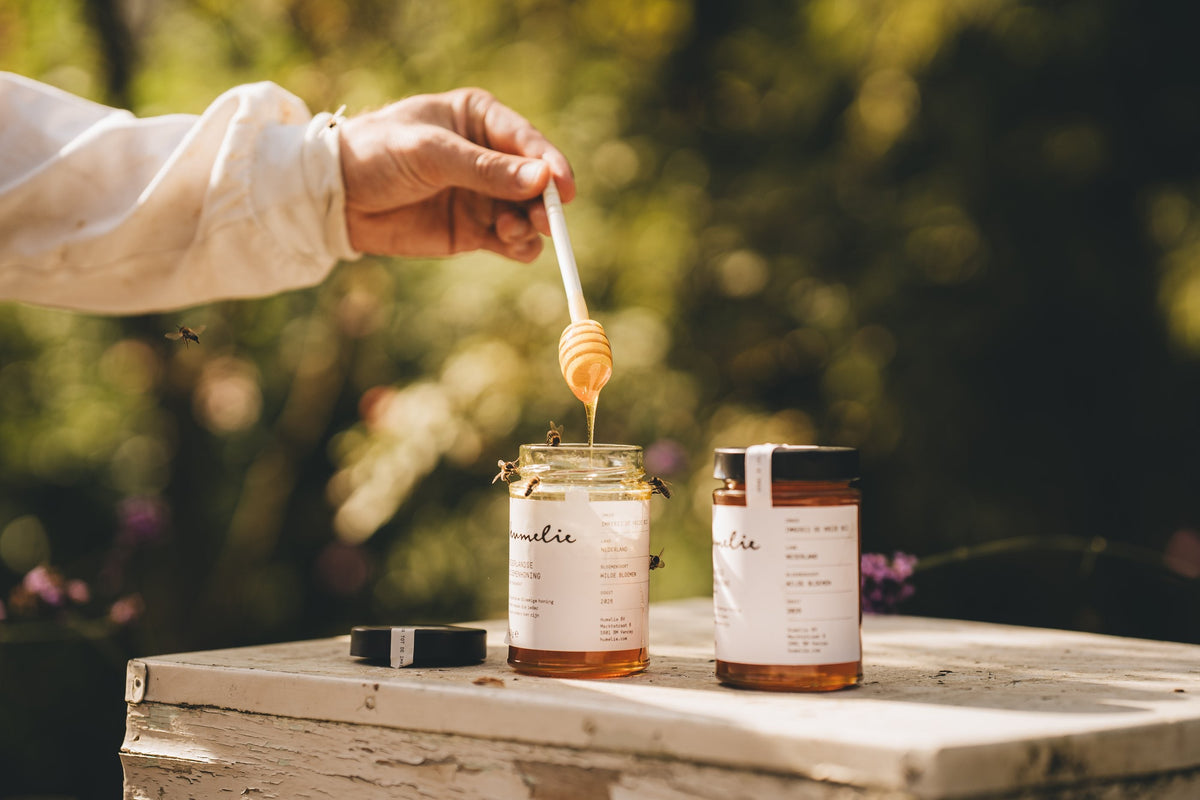
Is your honey suddenly hard and grainy? That is a natural process. Here is how to make it runny again in three steps, without losing its raw qualities.
Never miss a new harvest
Be the first to hear when a new harvest is in. Plus recipes and the occasional offer.
No spam. You can unsubscribe at any time.