


 Project Save The Bees
Together we're sowing 1 million m² of flowers for wild bees.
Wild bees are finding fewer and fewer flowers. That's why we sow together with our customers, each in their own garden. Here you can read why, how it works and how far we've come.
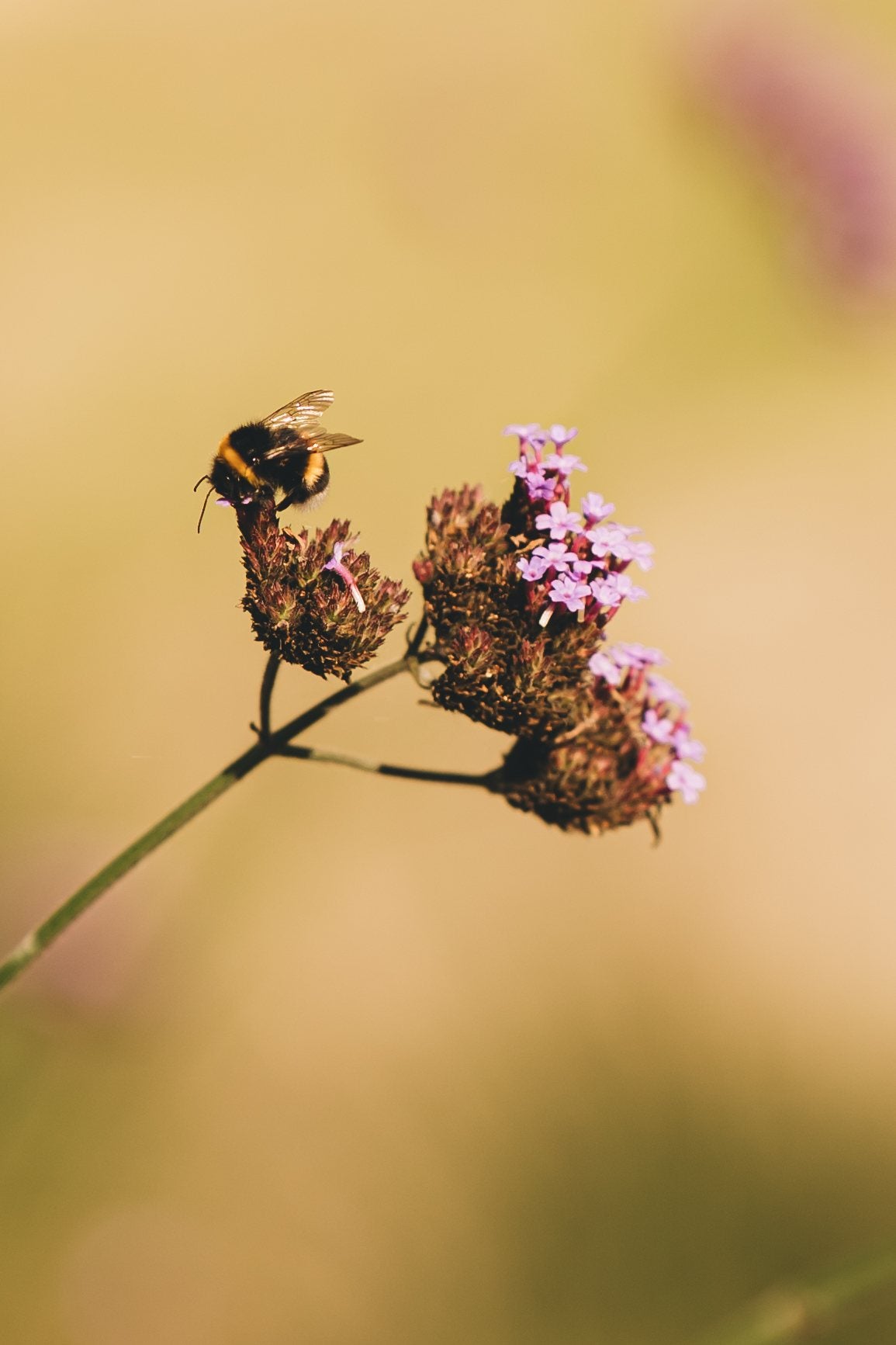
The honeybee is just one of hundreds of bee species in the Netherlands.
Honeybees live together in their thousands in a hive. Wild bees mostly live alone. Each female builds her own nest: in the ground, in hollow stems or in small holes in wood.
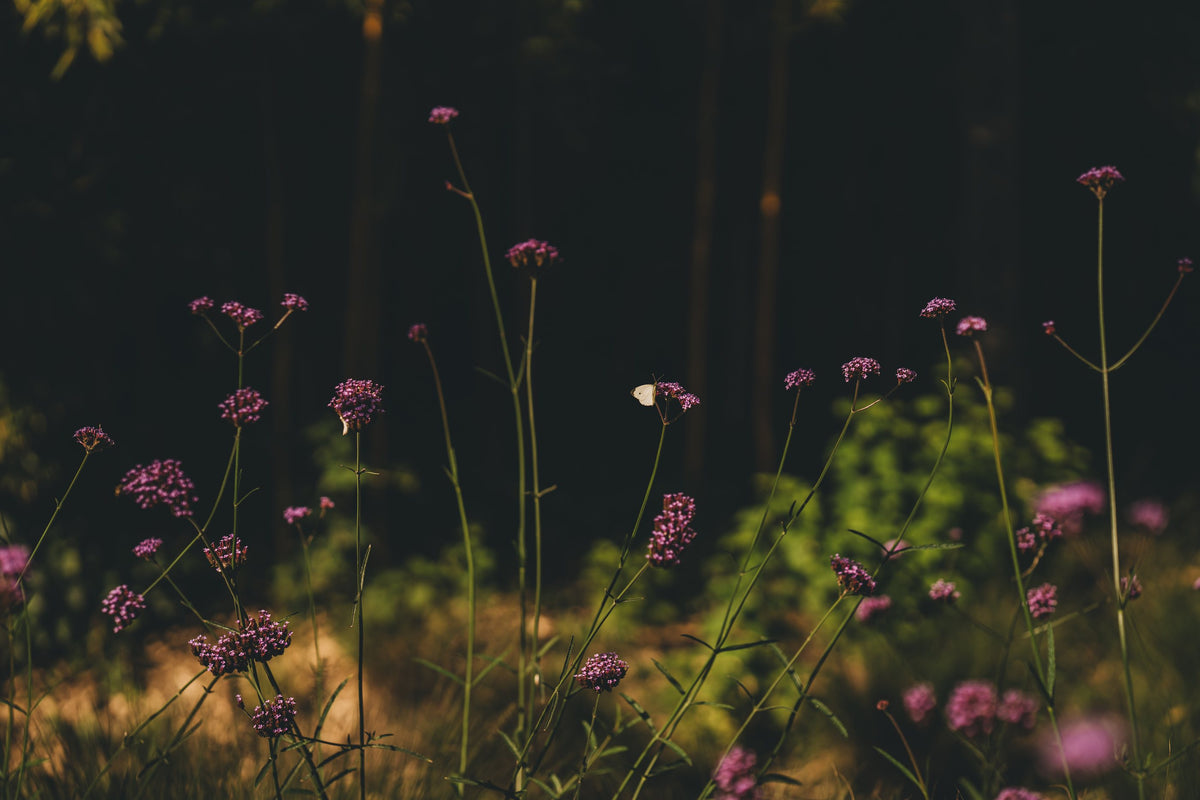
Wild bees pollinate flowers too. One species visits all kinds of flowers, another depends on a single plant. That's exactly why lots of different flowers matter.
From your 5 m² to 1 million m²
5 m²
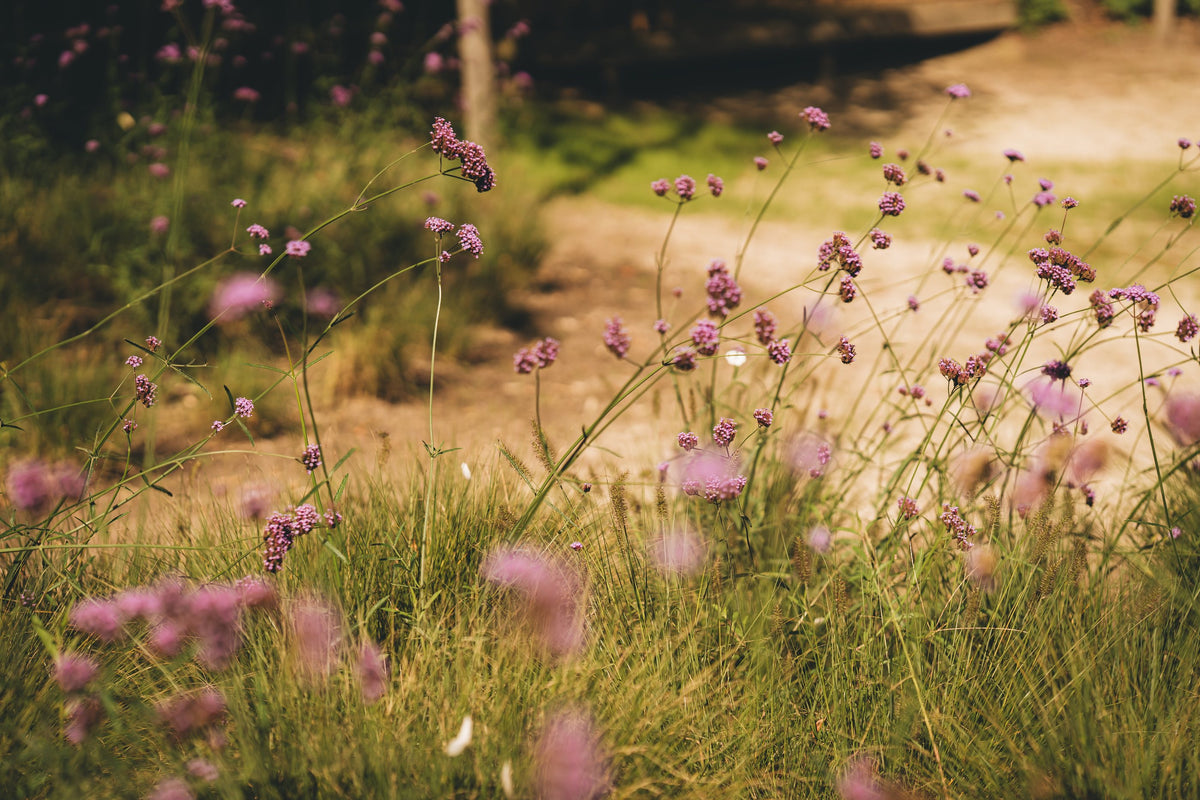
That's how many flowers you sow with one 25 gram packet of bee mix.
200.000
That's how many 5 m² gardens fit into our goal. A bigger garden counts for more m².
1.000.000 m²
Our goal: around 140 football pitches of flowers, spread across gardens in the Netherlands and Belgium.
This is how we get to 1 million m² .
The first step is your bee garden. The last is our goal. We'll take the steps in between together. The bar shows how many m² are already on the map.
-
5 m²
Your own bee garden
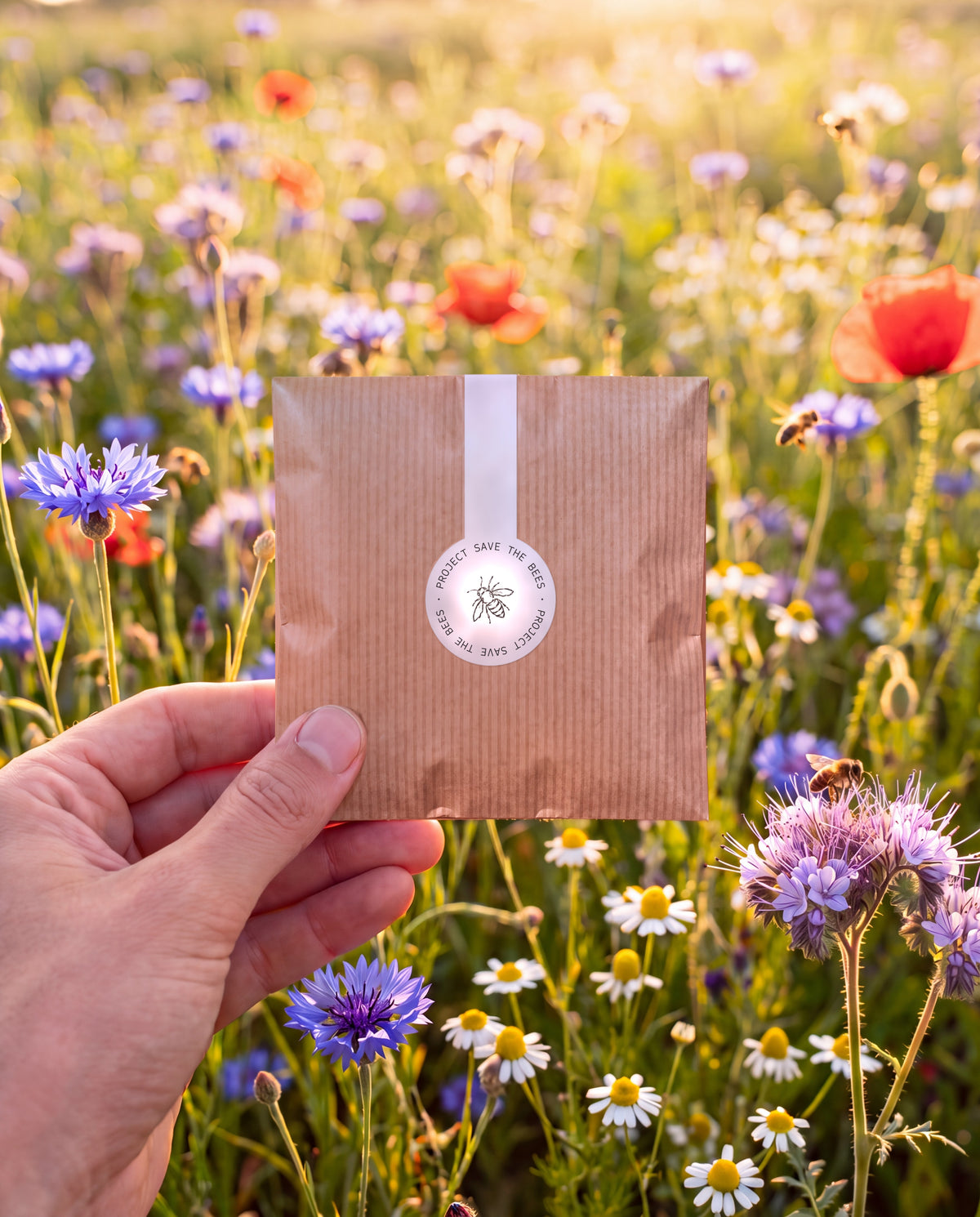
Order a packet of wild bee seed mix and sow 5 m² of flowers in your own garden. Every packet counts.
Order the bee mix Steps 2 to 9
We'll decide these steps along the way, together with our beekeepers and with you. You'll see each new step appear here.
- Step 2: not decided yet
- Step 3: not decided yet
- Step 4: not decided yet
- Step 5: not decided yet
- Step 6: not decided yet
- Step 7: not decided yet
- Step 8: not decided yet
- Step 9: not decided yet
-
1.000.000 m²
A flower field for wild bees
Together we're sowing one million square metres of flowers for wild bees. Around 140 football pitches, spread across thousands of gardens.
145 m² of 1.000.000 m²
Each circle: bee mix ordered in that town (1 sachet = 5 m²)
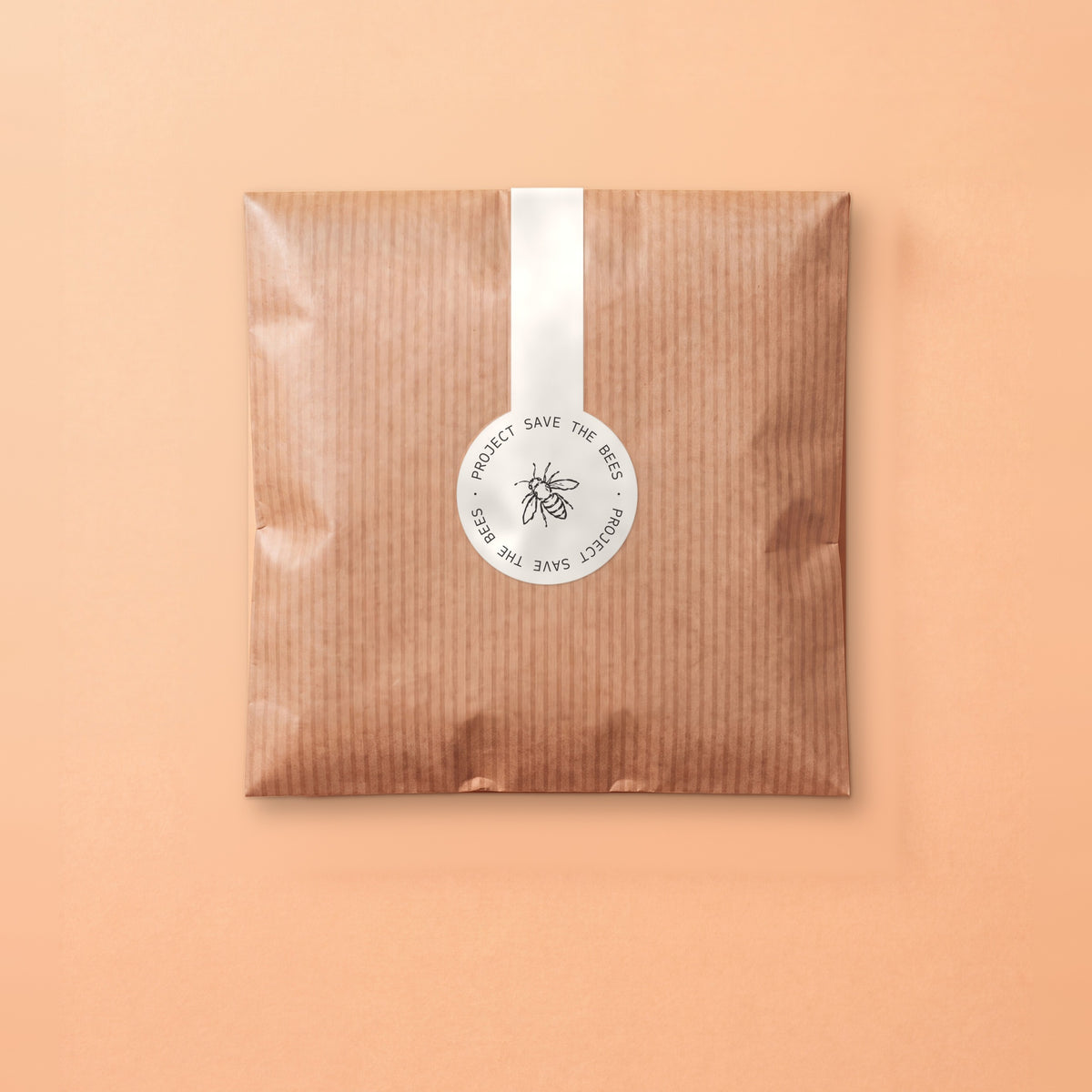
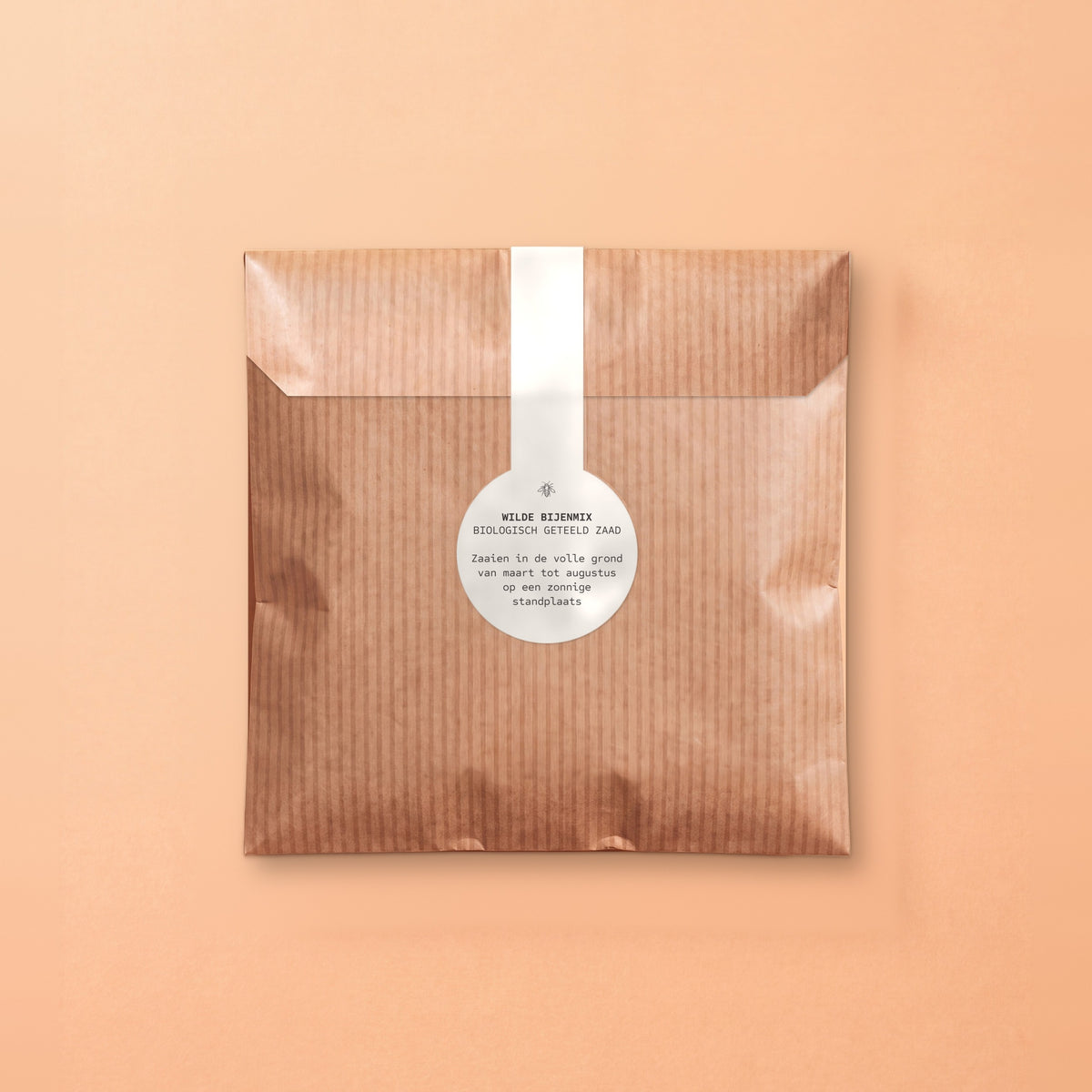
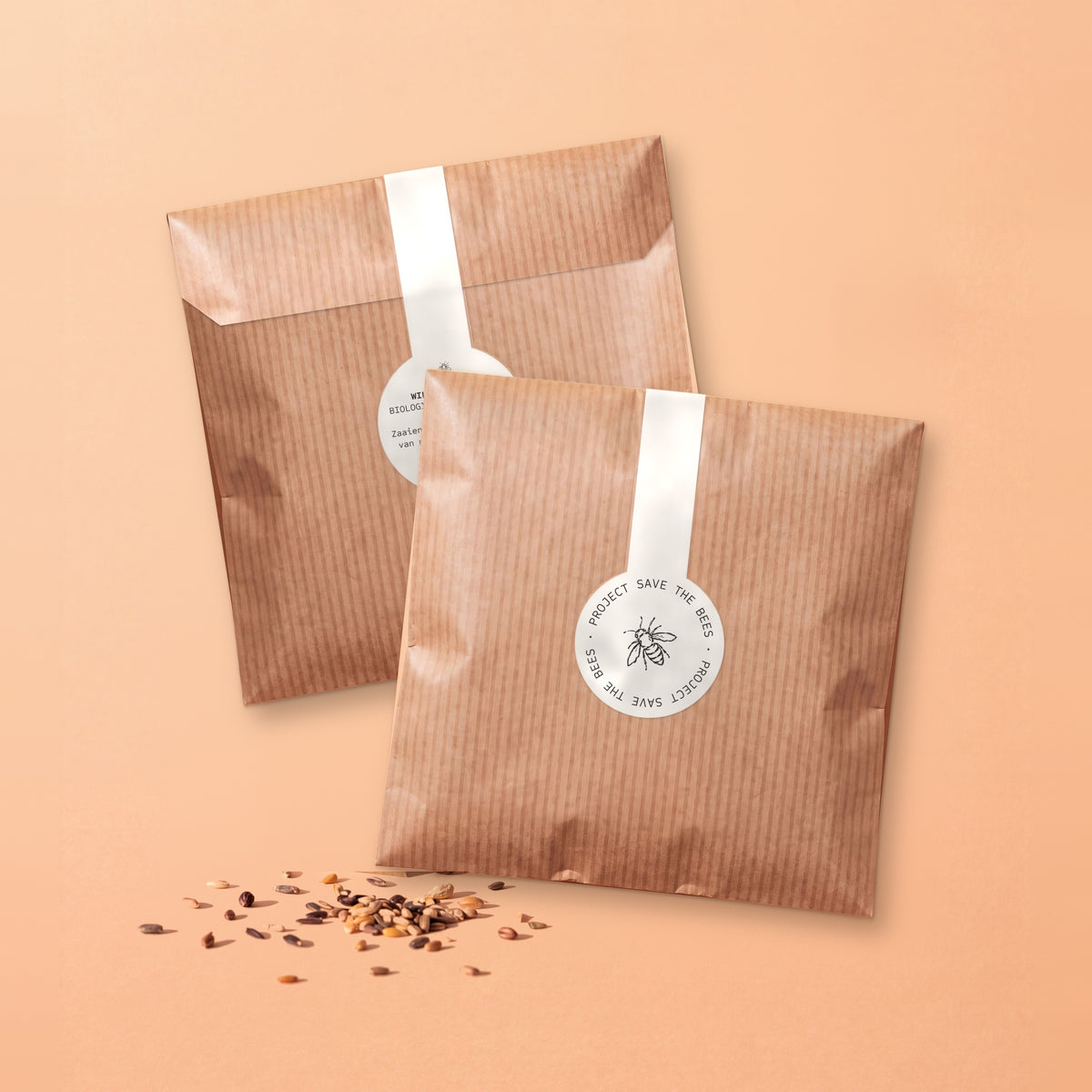
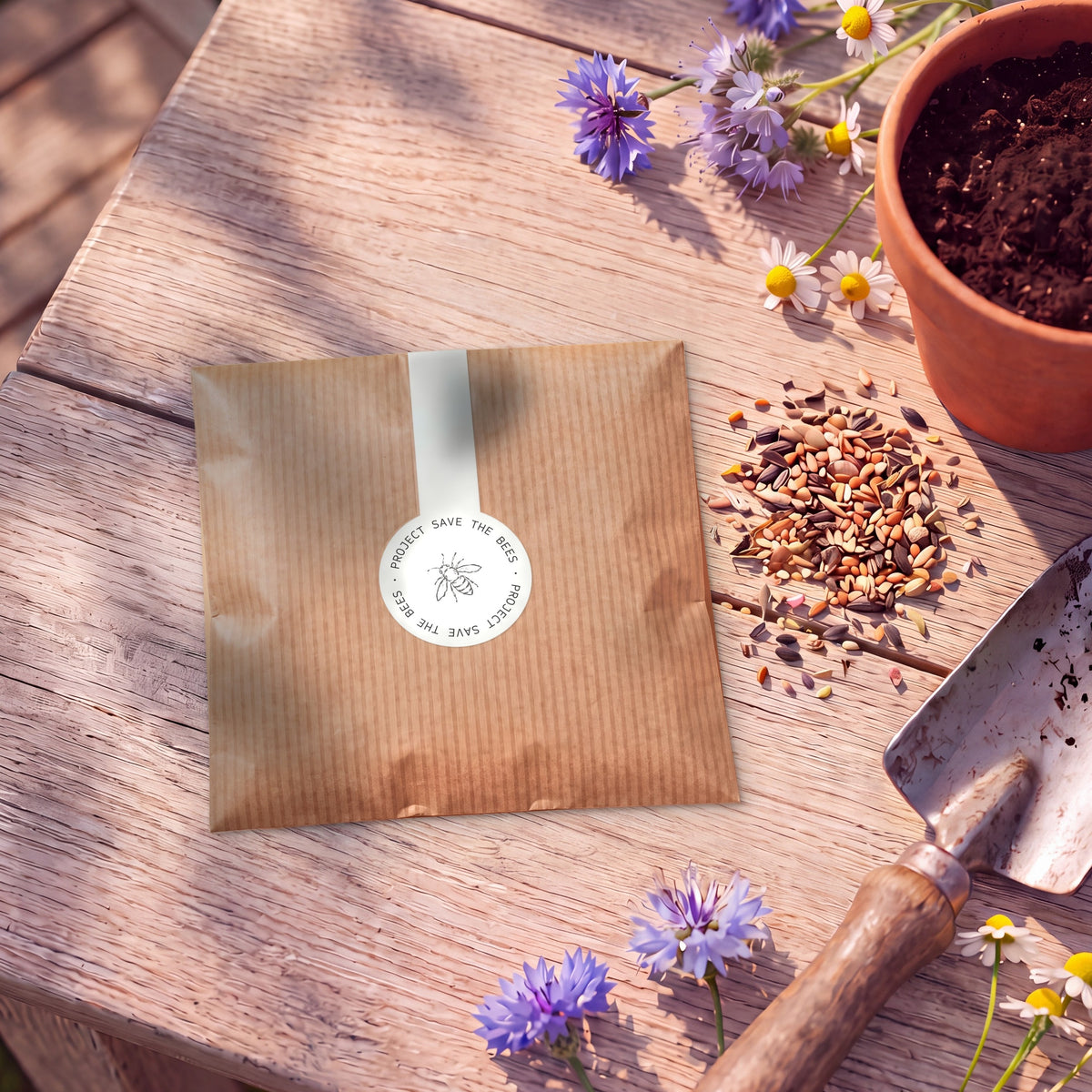
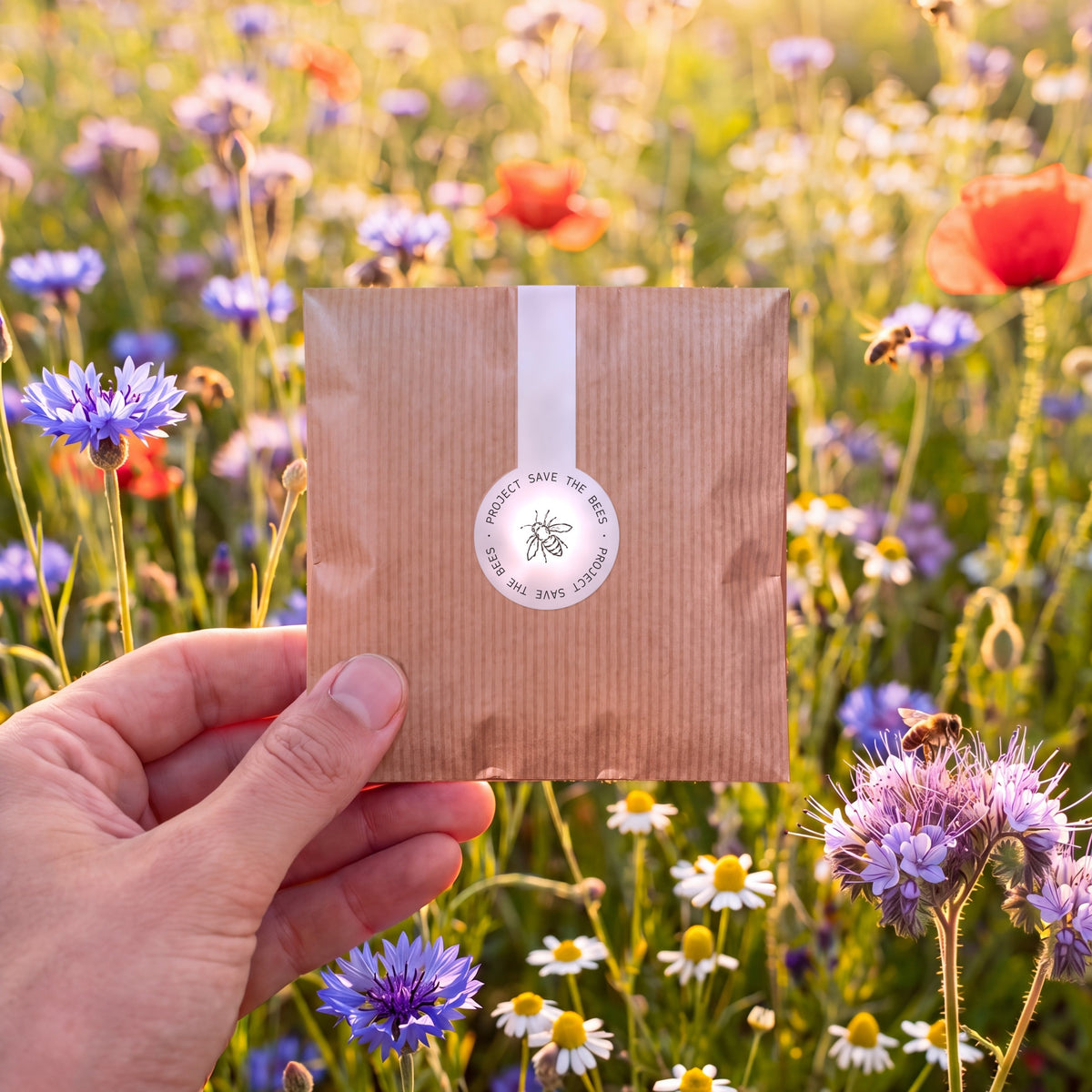
25 grams of organic seed for just over 5 m² of flowers for wild bees. Ordering honey too? Then add the bee mix to your basket in one click.
Frequently asked questions
Can't find your question? Just email us, we are happy to help.
Together with our customers we're sowing 1 million m² of flowers for wild bees. Everyone sows in their own garden. Every m² on the bee garden map counts towards the goal.
Honeybees have a beekeeper to look after them. Wild bees have to fend for themselves, and more than half of the Dutch bee species are on the Red List. Above all, they need more flowers.
No, it's not that simple. Honeybees are important pollinators too. But they can compete for nectar and pollen, especially where there are lots of colonies and few flowers. That's why it starts with more flowers.
A 25 gram packet of organically grown seed, including phacelia, cornflower and sunflower. It's an annual mix that flowers all season. One packet is enough for just over 5 m².
Sow from March to August in open ground, in a sunny spot. Use 25 grams per 5 m². Ordering in autumn or winter? Then sow from March.
The bee mix is meant for open ground. Don't have a garden yourself? Then give the packet to someone with a patch of soil. What they sow counts just as much.
Automatically. Every packet of bee mix you order from us counts as 5 m² in your town. The map and the counter are updated every night.
No. We only show your town, together with all the other orders there. Your name, address and email address appear nowhere on the map.
On the map we count the bee mix ordered from Humelie. Already sowing flowers for wild bees with seed from elsewhere? Then you're helping the bees just as much, you just won't see it on the map.
We'll decide those along the way, together with our beekeepers and with you. You'll see each new step appear on this page. Want to hear when there's a new step? Sign up below.
Every packet of bee mix is good for 5 m² of flowers. We add up all the packets ordered. You'll see the total in the progress bar above the map.
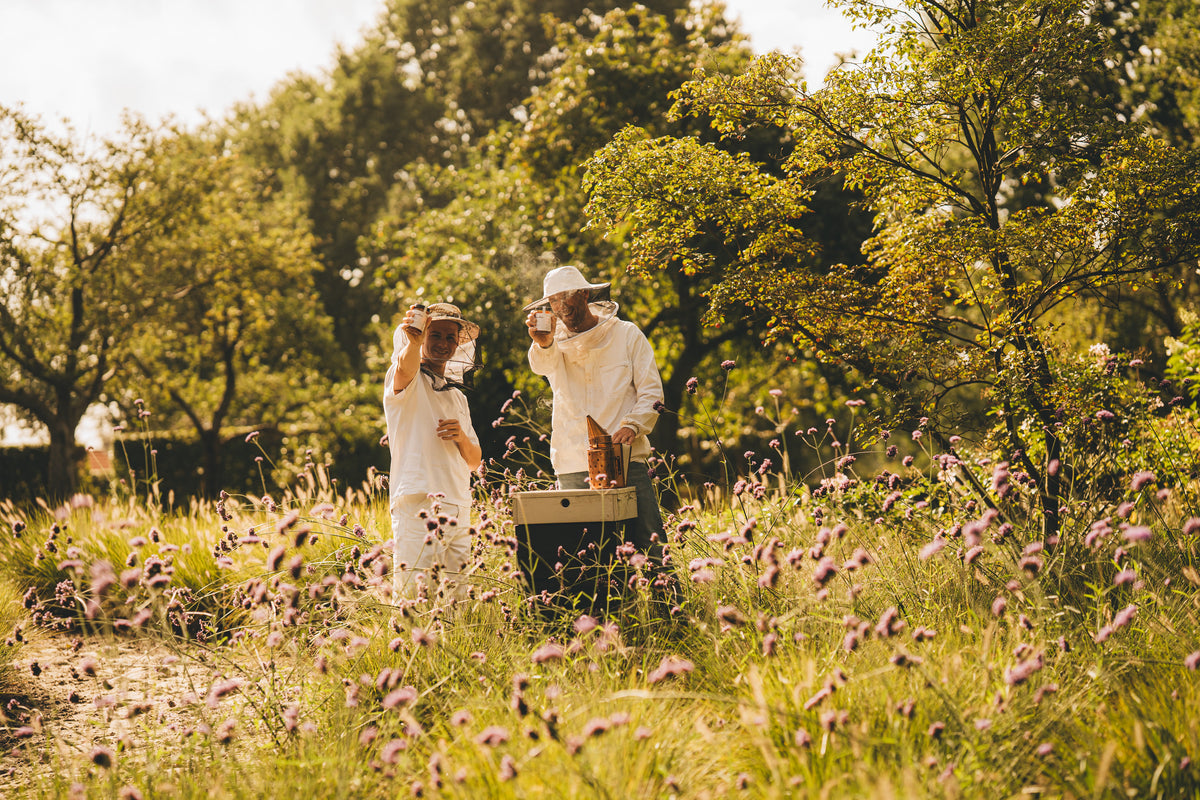
Follow the route to 1 million m² .
A message with every new step and every new harvest. You can unsubscribe at any time. Read our privacy policy.