
 By Mark
Oct 22, 20263 min readBy Mark
Oct 22, 20263 min read
Wild bees vs. honey bees: what is the difference?
When you think of bees, you probably think of honey straight away. But the honey bee is just one of hundreds of bee species living in the Netherlands. And it is those other bees that could do with a little extra attention.
One honey bee, hundreds of wild bees
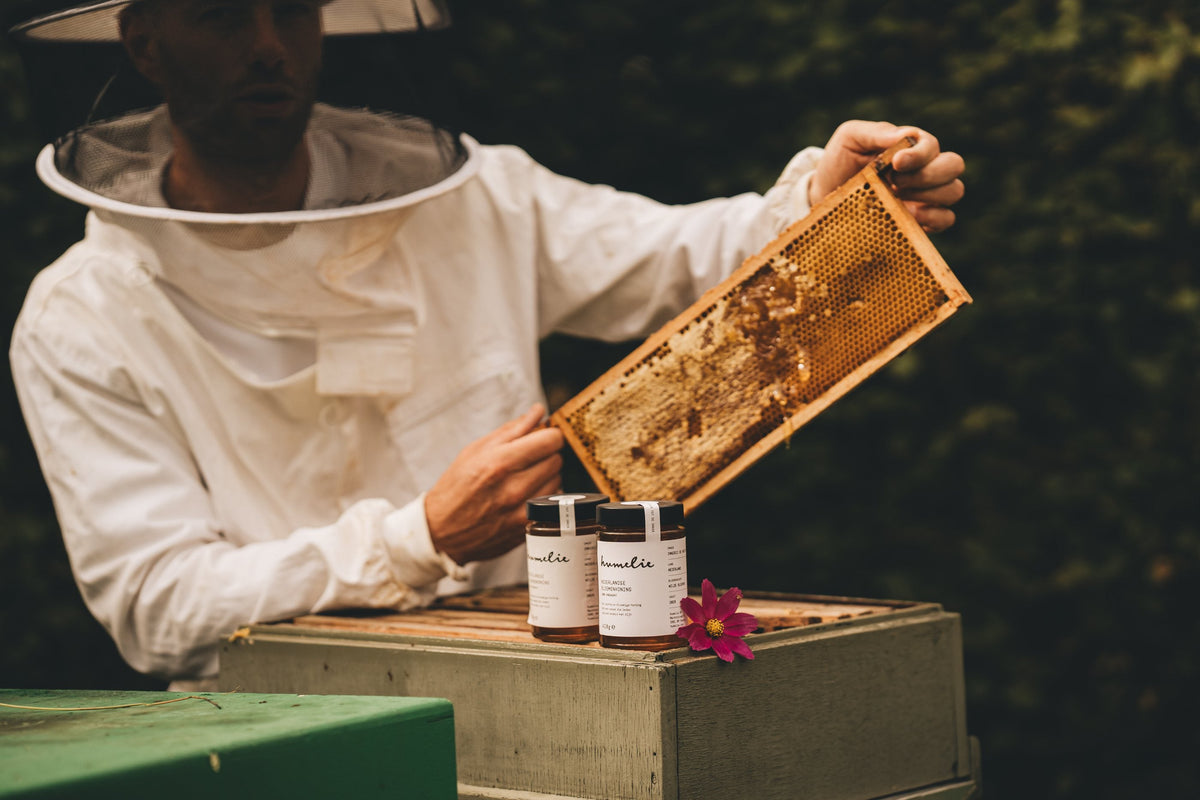
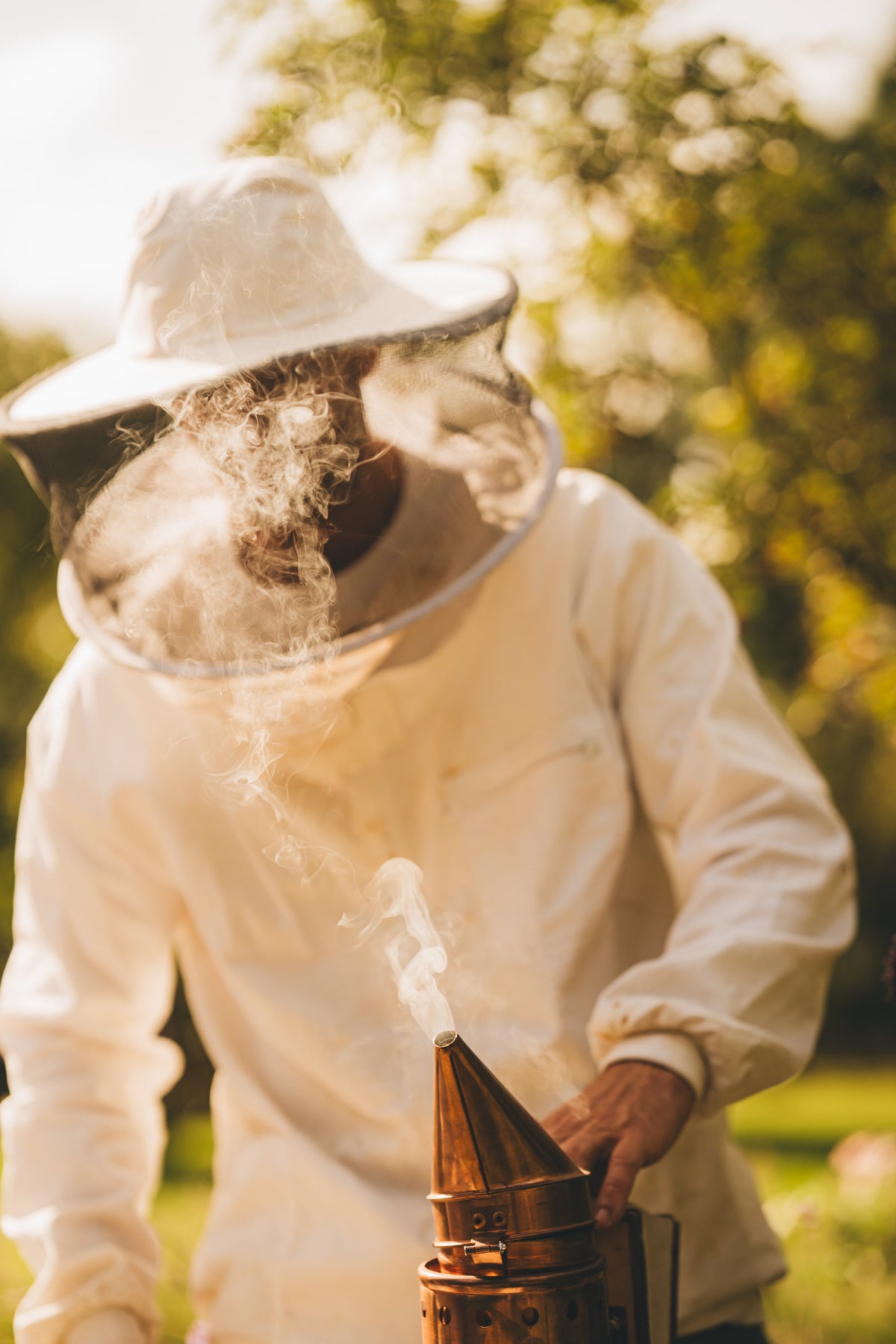
The honey bee lives with thousands of other bees in a hive. The workers collect nectar and pollen and use them to build up the colony's honey store. Beekeepers harvest part of that honey for us.
Wild bees live differently. Most of them live alone: each female builds her own nest and gathers food for her larvae. Some nest in the ground, others in hollow stems or small holes in wood.
Their food preferences differ too.
Why are wild bees important?
Both honey bees and wild bees pollinate flowers. While they collect nectar and pollen, they carry pollen to other flowers. That way they help plants reproduce, and fruits and seeds can form, for example.
One bee visits all kinds of flowers, while another depends on one specific plant. Bees also differ in size and behaviour. That is exactly why lots of different flowers and bee species matter for healthy nature.
Why are wild bees struggling?
Wild bees need food and a place to nest. And that is often where things go wrong.
1. Too few flowers. Many verges, meadows and gardens offer fewer and fewer flowers. As a result, wild bees find less nectar and pollen.
2. Too few nesting sites. Some wild bees nest in the ground, others need hollow stems, dead wood or sheltered spots.
3. No flowers at the right time. Some wild bees are only active for a few weeks a year. If their favourite flowers are not in bloom then, they struggle to find food.
More than half of the Dutch bee species are on the Red List. That shows there is good reason to give wild bees more space.
Are honey bees bad for wild bees?
No, it is not that simple. Honey bees are important pollinators too. But honey bees and wild bees can compete for nectar and pollen, especially in places with many colonies and few flowers.
The answer is not to set honey bees against wild bees. It starts with enough flowers, a variety of plant species and space to nest.
What can you do yourself?
You do not need a big plot of land to help wild bees.
1. Sow flowers. Choose a suitable flower mix and create more places where wild bees can find food.
2. Leave a patch of garden alone. A sunny patch of bare soil or some dead wood can already make a good nesting site.
3. Add variety. Different flowers that bloom at different times provide food for longer.
That is why Project Save the Bees exists
At Humelie we love honey. But bees matter for much more than honey alone. The hundreds of wild bee species also deserve space to live and find food.
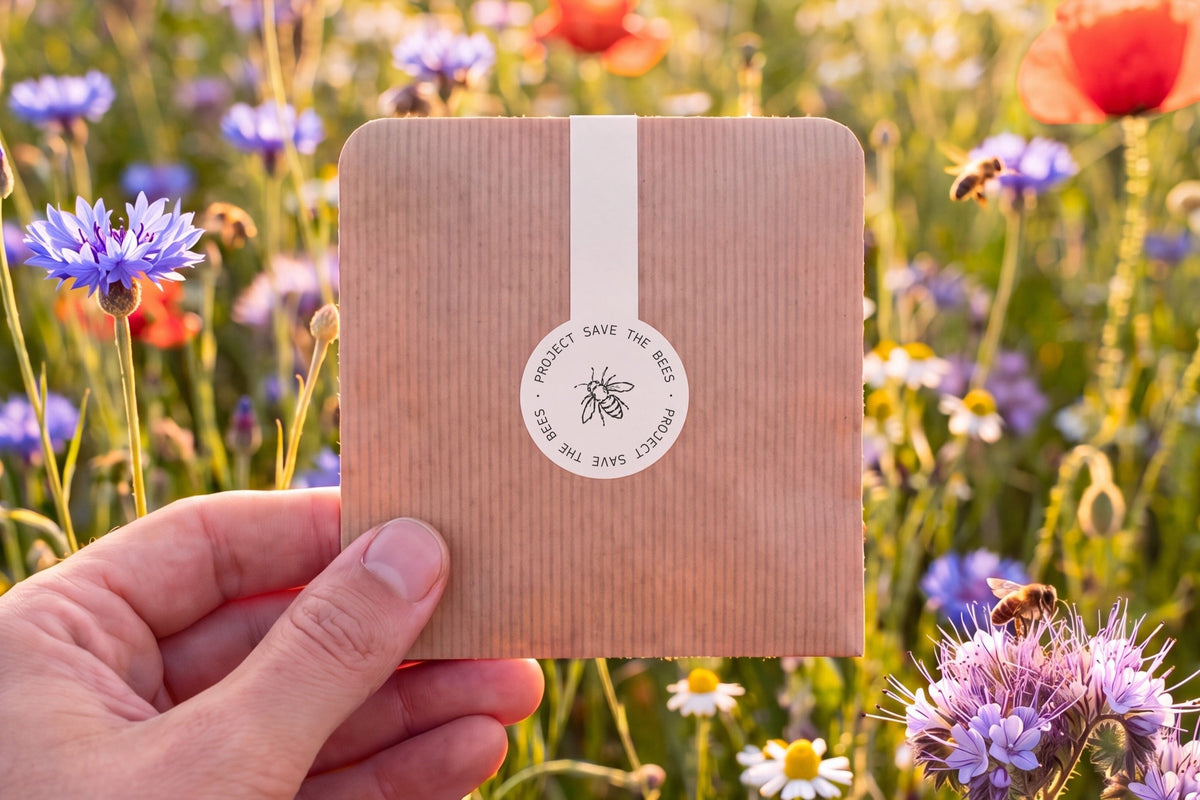
That is why we started Project Save the Bees. With our Wild bee seed mix you sow more than 5 m² of flowers for wild bees yourself. A small step in your own garden, but a real contribution to more flowers.
Our goal? One million square metres of flowers for wild bees, together.
Join in and sow your first 5 m².