


 By Mark
Oct 19, 20263 min readBy Mark
Oct 19, 20263 min read
I like you raw, honey!
You are standing in front of the supermarket shelf, or scrolling through an online shop looking for raw honey. Because you have heard that it is the best you can get. But what does that actually mean? And what do you look for if you want to eat honey raw and unprocessed?
What is raw honey?
If you want to taste as much of honey's unique flavour as possible, it is important that the honey is heated as little as possible and not mixed with other kinds of honey. Heating breaks down enzymes. And when you mix different honeys, the qualities of the individual harvests are lost.
By raw honey we mean honey that has been processed as little as possible after the harvest and has barely been heated. Sounds good, right? It is. Only "raw" has no legal definition. Anyone can put it on a jar. That is why we say: the more you know, the better.
Unprocessed does not mean nothing happens
Honey always has to be extracted from the comb and sieved to remove bits of wax. So unprocessed is about what happens after that. Is the honey heated further, finely filtered or mixed with other honey? Or does it stay as close as possible to the honey the beekeeper harvested?
What to look for
Do not just look at one claim on the front of the jar. Look at three things.
1. Raw or unprocessed. If the jar says so, that is a good sign. But it does not tell you everything. Also check what the packaging says about processing and origin.
2. Unblended. A blended honey is made from different harvests. That means you can no longer trace the flavour back to one place, one season or one beekeeper. If you want to learn to taste the differences between honeys, choose unblended.
3. A clear origin. Since June 2026, a blend must state on the label which countries the honey comes from and in what proportions. That helps, but a country is not yet an origin. Does it also name a region? A harvest period? A beekeeper? The more specific, the closer you are to the original harvest. Blended EU honey is not bad by definition. But raw, unblended honey with a clear origin stays closer to what the bees made.
How we do it
You do not need to be a honey expert. Just look at what is on the jar: is the honey raw, where does it come from and is it blended?
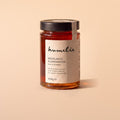
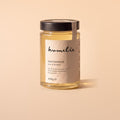
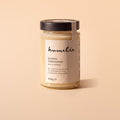
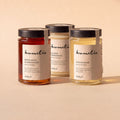
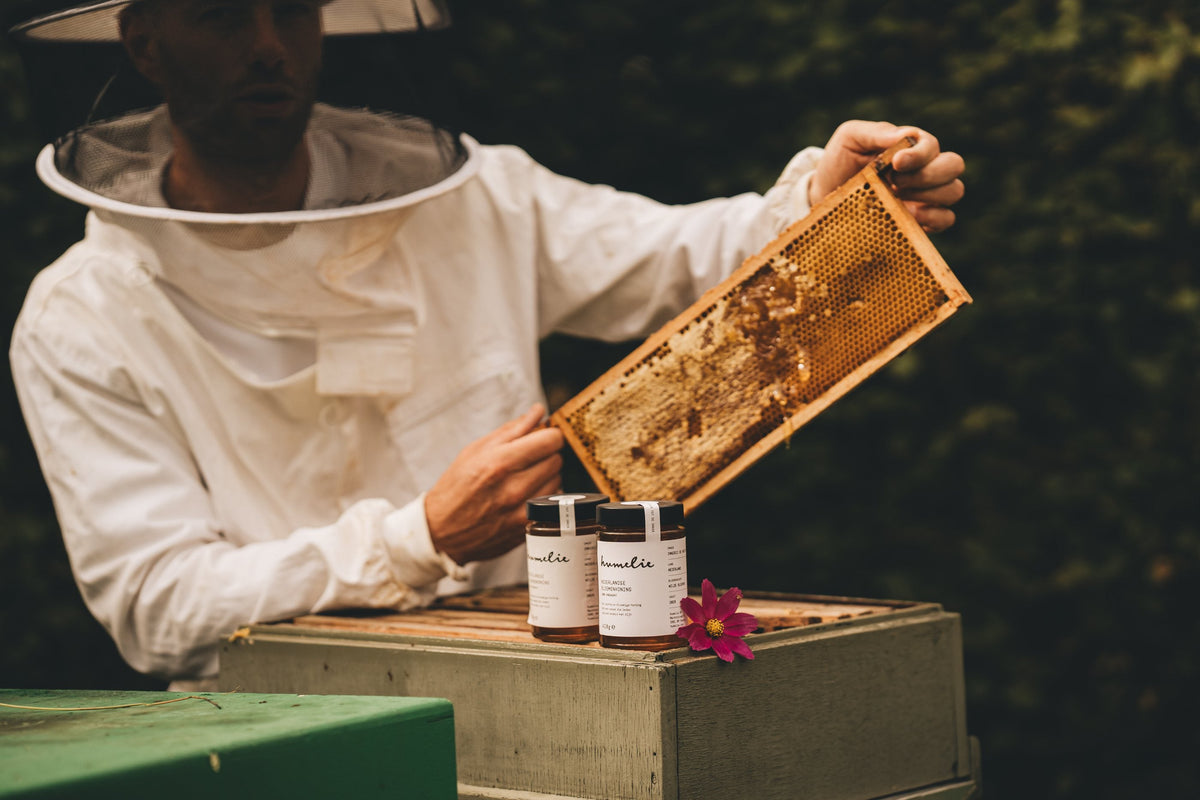
At Humelie we put all of that on it. On every jar you can read the region, the flowers the bees visited, the harvest period and how many jars there are from this harvest. Our honey is traceable to the beekeeper. We know where it comes from, who harvested it and what makes this harvest special. Because the closer you get to the source, the more there is to discover.
Noticed that raw honey goes hard after a while? That is part of it. Read why your honey crystallises and how to make it runny again. And still not sure which flavour suits you? Here is how to choose.
Read more
 By Mark
Sep 28, 2026
Mild, spreadable or surprising: here is how to choose the honey that fits the way you use it.
 By Mark
Oct 22, 2026
When you think of bees, you soon think of honey. But the Netherlands is home to hundreds of wild bee species. What is the difference, and how can you help them yourself?