




 By Mark
Sep 28, 20262 min readBy Mark
Sep 28, 20262 min read
Help! Which honey should I get?
You have made up your mind: you want raw, unblended honey. But then you discover how many flavours there are. Which one suits you depends on what you like and what you want to use it for.
Tasting honey is something you learn
You learn to appreciate coffee and wine. You can look at honey the same way. Switch from predictable supermarket honey to raw, unblended honey and a whole world of flavours opens up. The taste depends on the flowers, the season and the weather, and that is different every year. That is exactly what makes honey so special: you taste something of where it comes from. Still, the differences between the kinds are clear enough to make a good choice, even as a beginner.
Just starting out? Choose acacia
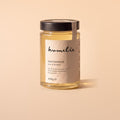
If you are not yet used to having honey regularly, acacia is a good place to start. Acacia honey is subtly sweet and mild in flavour. Lovely in your tea, with breakfast or in a salad. And acacia honey naturally stays runny for a long time, because it contains relatively more fructose. Read here why that matters.
Prefer to spread it? Choose creamed honey
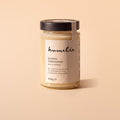
Honey on a cracker as a snack or on your toast at breakfast: that is what creamed honey is made for. The way this honey is prepared gives it a creamy texture that spreads easily and does not drip off your knife. For Humelie we chose a creamed wildflower honey from Germany. When we tasted it, it was a real surprise to us.
View the Creamed wildflower honey
Or let yourself be surprised
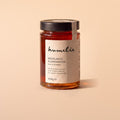
Do you not want to choose one use, but enjoy discovering something new? Then Dutch wildflower honey is a great choice. Wildflower honey has no fixed flavour recipe. The bees collect nectar from whatever is in bloom at the time, and that changes every season. So every harvest tastes different. Our wildflower honey comes from a beekeeper in Groningen. Also lovely for adding flavour, for example drizzled over oven-roasted sweet potato.
View the Dutch wildflower honey
Can't choose?
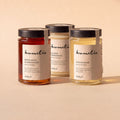
Understandable. Take all three and taste the difference between mild, creamy and surprising for yourself. Just like with wine and coffee, you get better and better at recognising the flavours.
Read more
 By Mark
Sep 7, 2026
Is your honey suddenly hard and grainy? That is a natural process. Here is how to make it runny again in three steps, without losing its raw qualities.
 By Mark
Oct 19, 2026
Raw, unprocessed, unblended: what does it really mean? Here is how to read a honey jar and spot honey that stays close to the harvest.